Platforms & Systems
Products & Programs
From prototype platforms to development-stage programs and digital products — every entry below is classified by its current public status.
From prototype platforms to development-stage programs and digital products — every entry below is classified by its current public status.
Public Disclosure Notice. All product descriptions, images, performance figures and technical characteristics presented on this website are indicative and may refer to prototypes, development configurations or customer-specific concepts. Final specifications, delivery schedules, equipment configurations and commercial conditions are subject to contract, engineering review, testing, classification, certification, regulatory approval and export-control authorization where applicable. Nothing presented on this website constitutes a binding commercial offer.
 Prototype / Pre-Series
Multi-purpose fast patrol and tactical craft for river, lake, port and coastal missions. Developed prototype platform in preparation for serial production. "Fast Response. River Control. Tactical Superiority."
Full technical specification →Engineering DevelopmentCompact patrol and rapid-interdiction vessel engineering program, designed for border, port and inland-waterway security operations.
Full technical specification →Mid-size multi-purpose patrol platform under development for extended-endurance coastal and riverine missions.
Program covering autonomous and remotely operated maritime platforms for surveillance, security and mission-support roles.
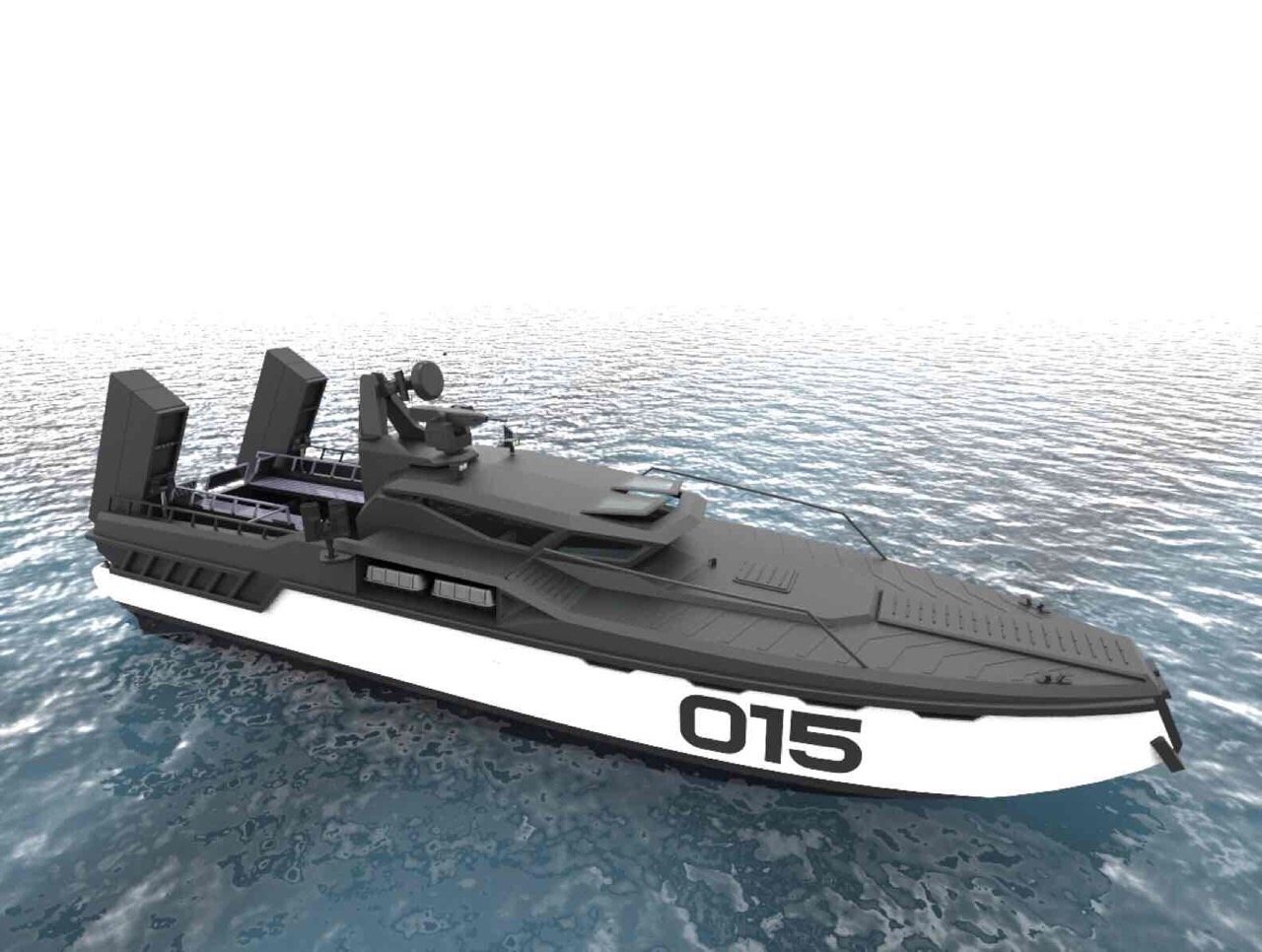
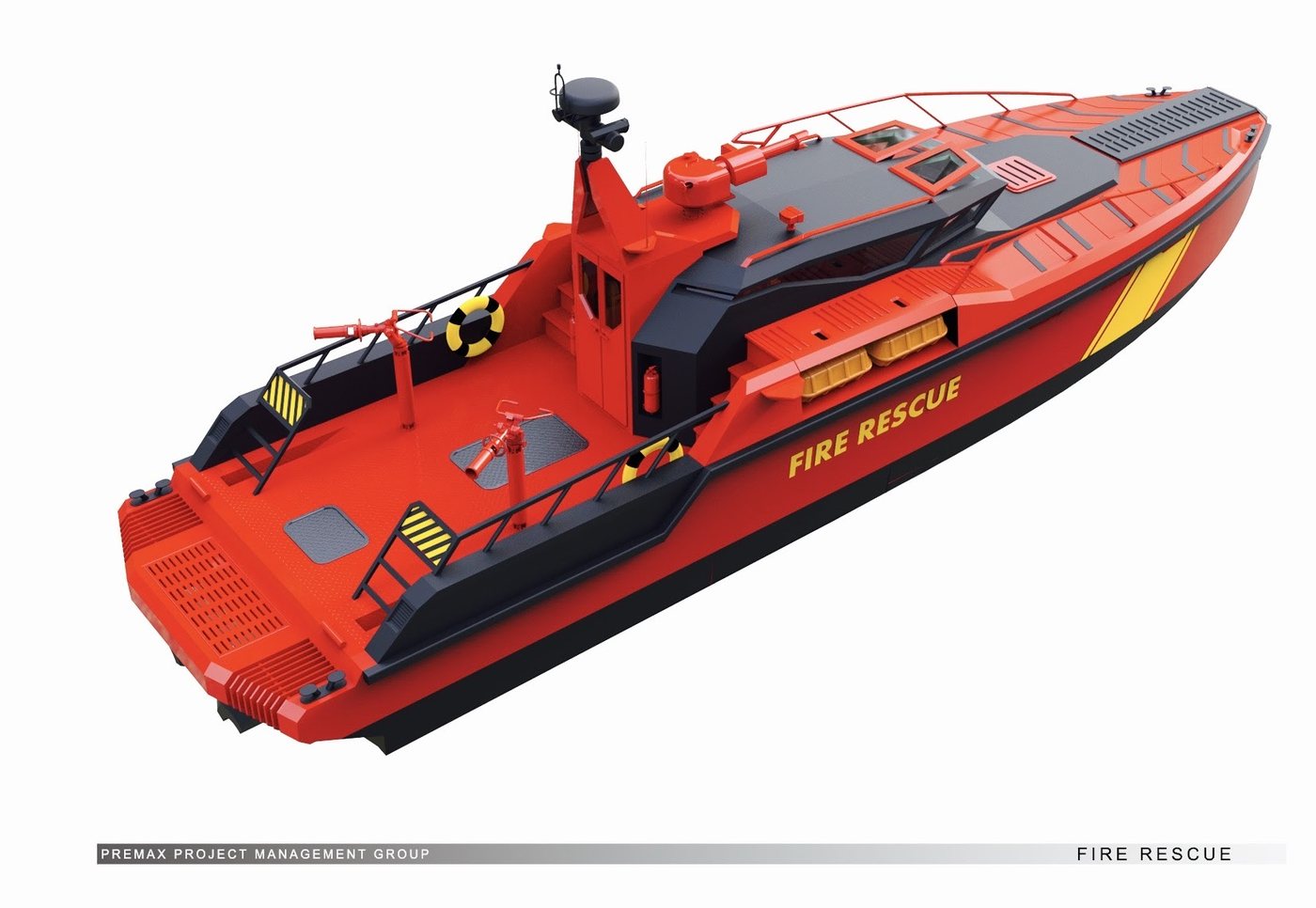
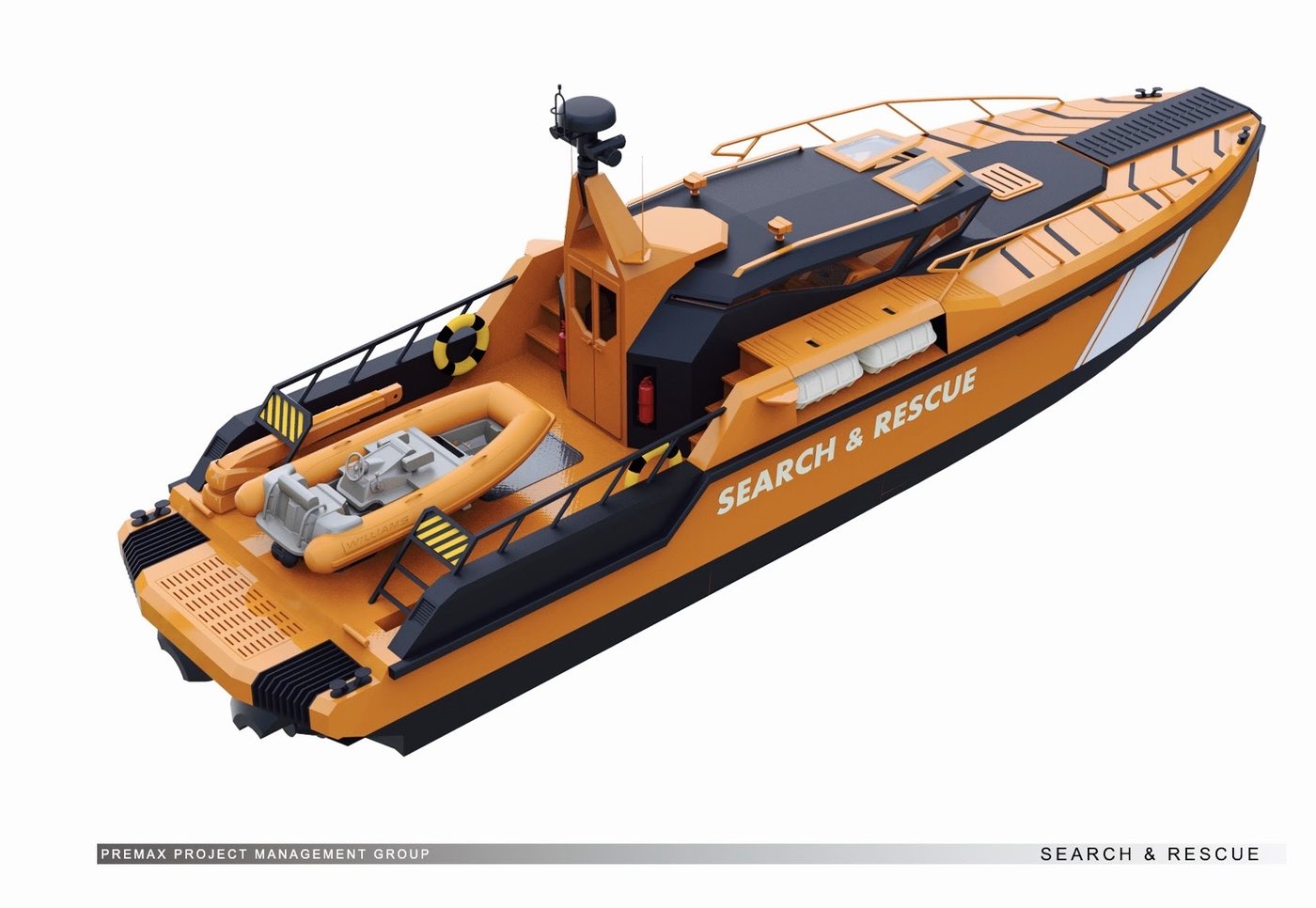
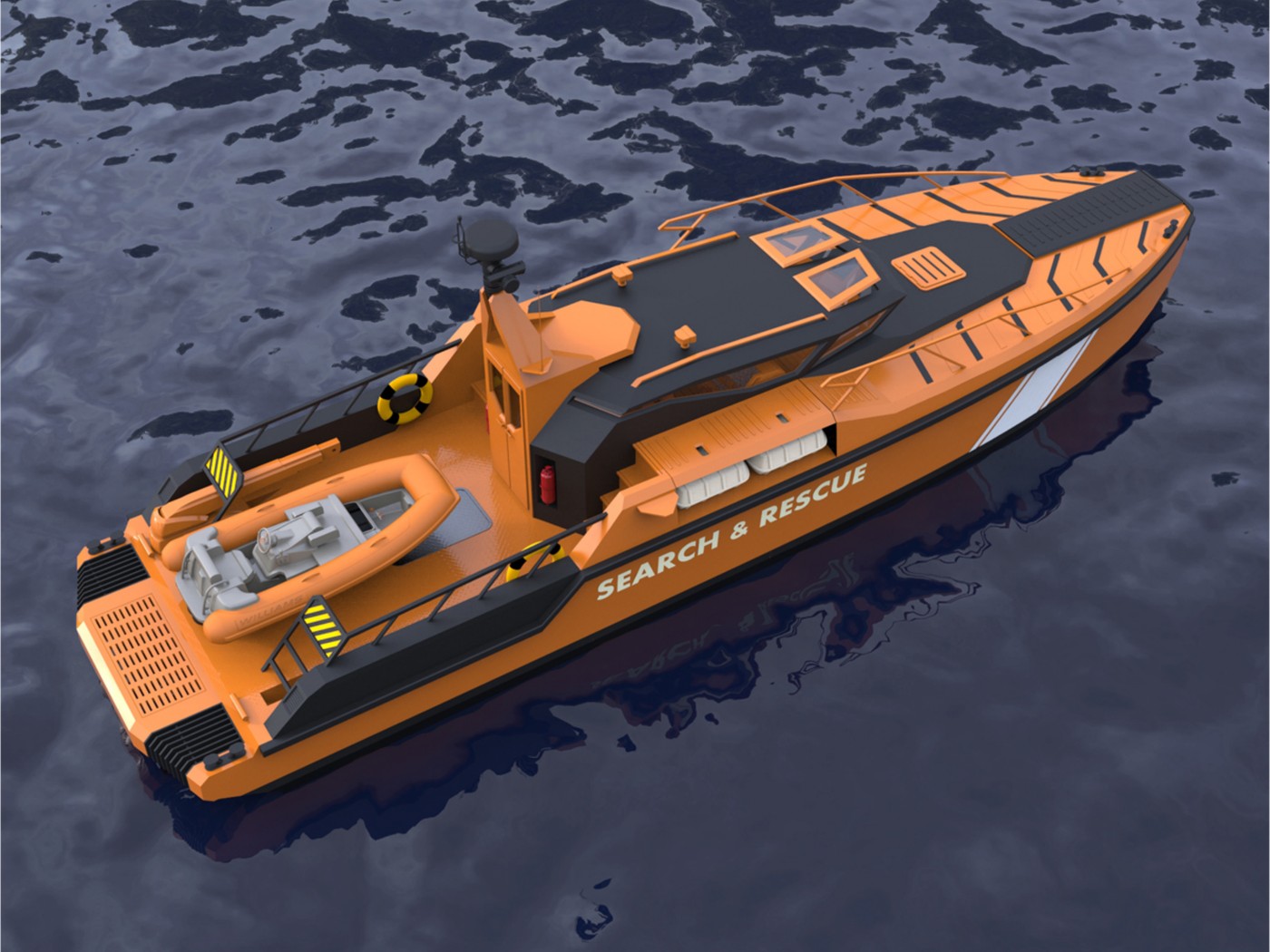
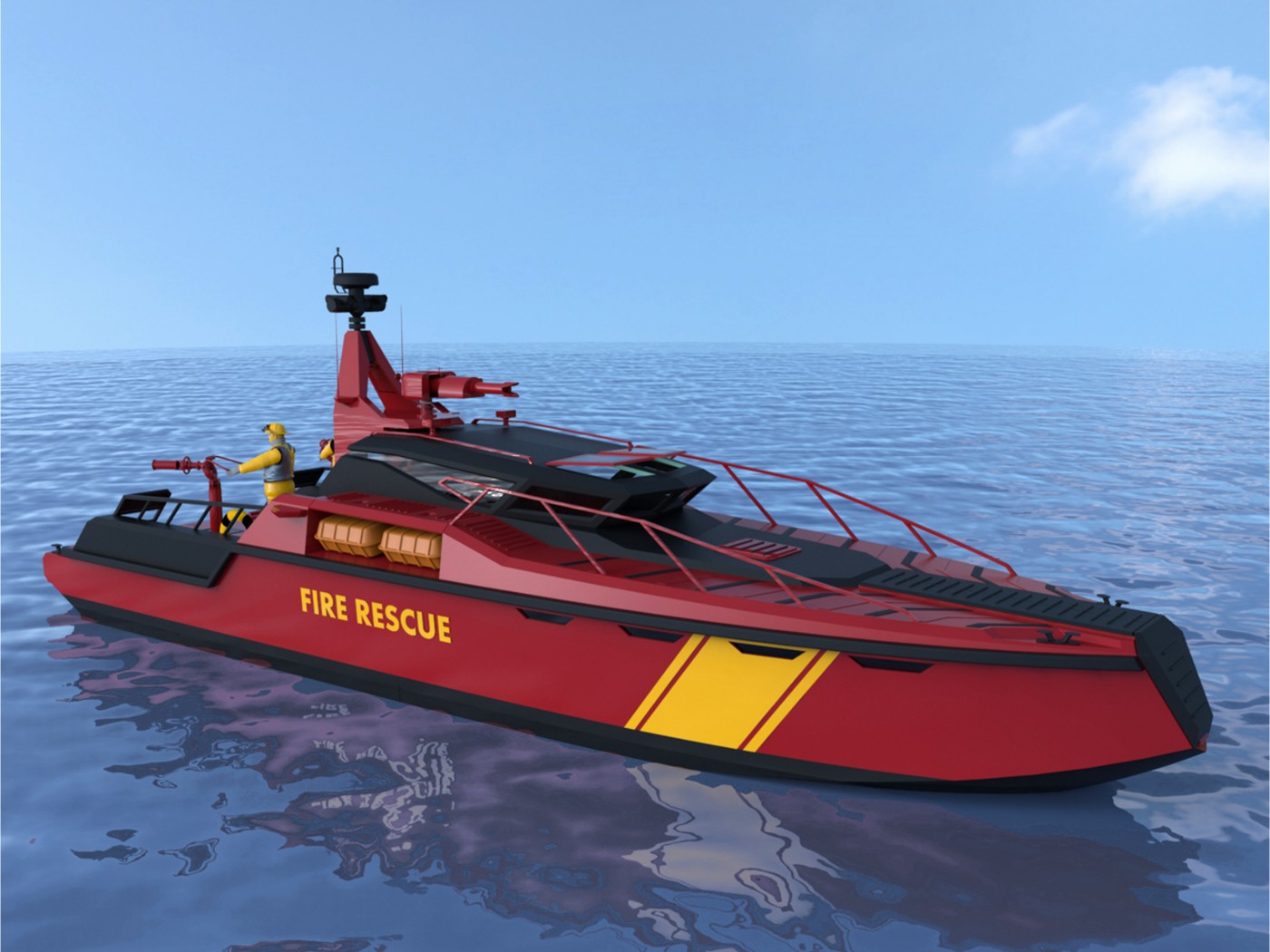
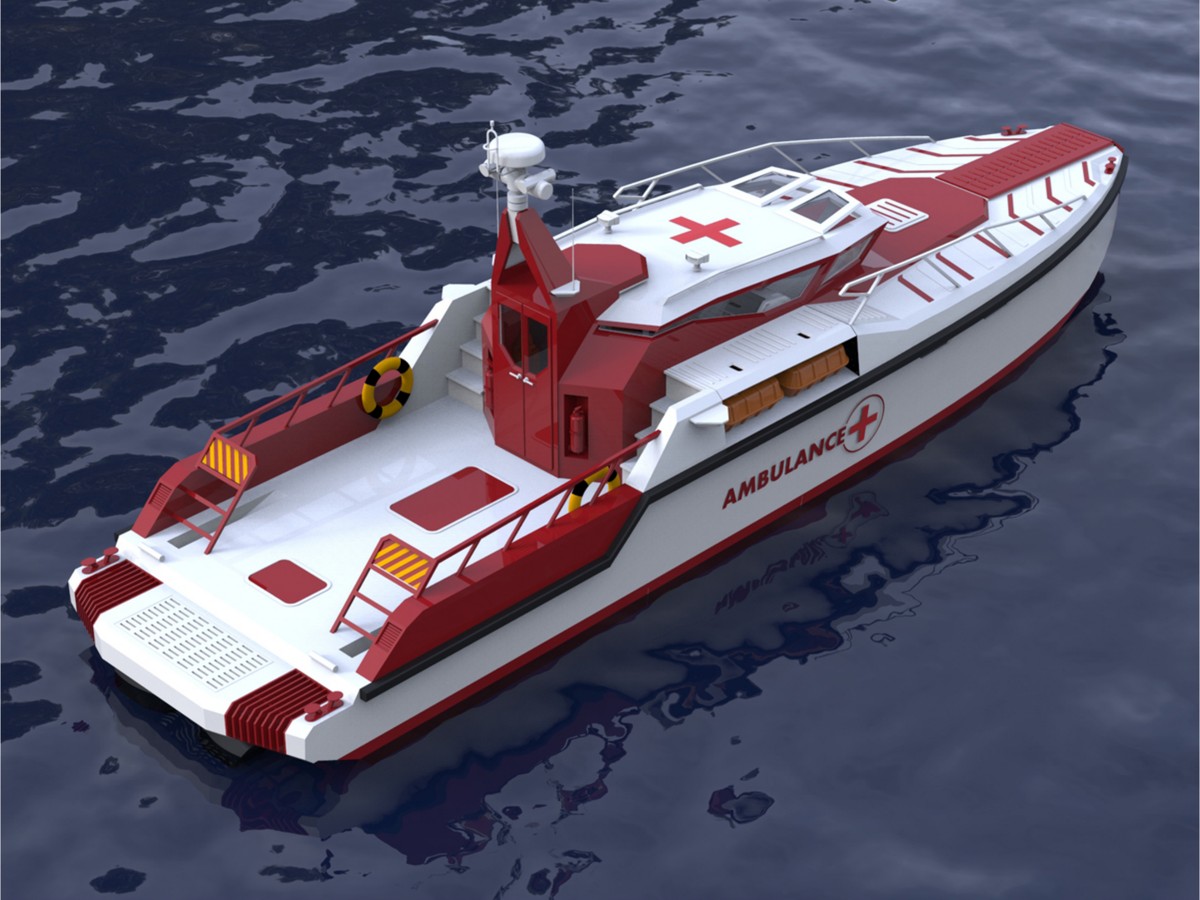
The PREMAX patrol hull platform is engineered for rapid mission reconfiguration — from tactical patrol livery to civil-protection roles such as fire response and search & rescue, supporting coast guard, port authority and emergency-response operators.
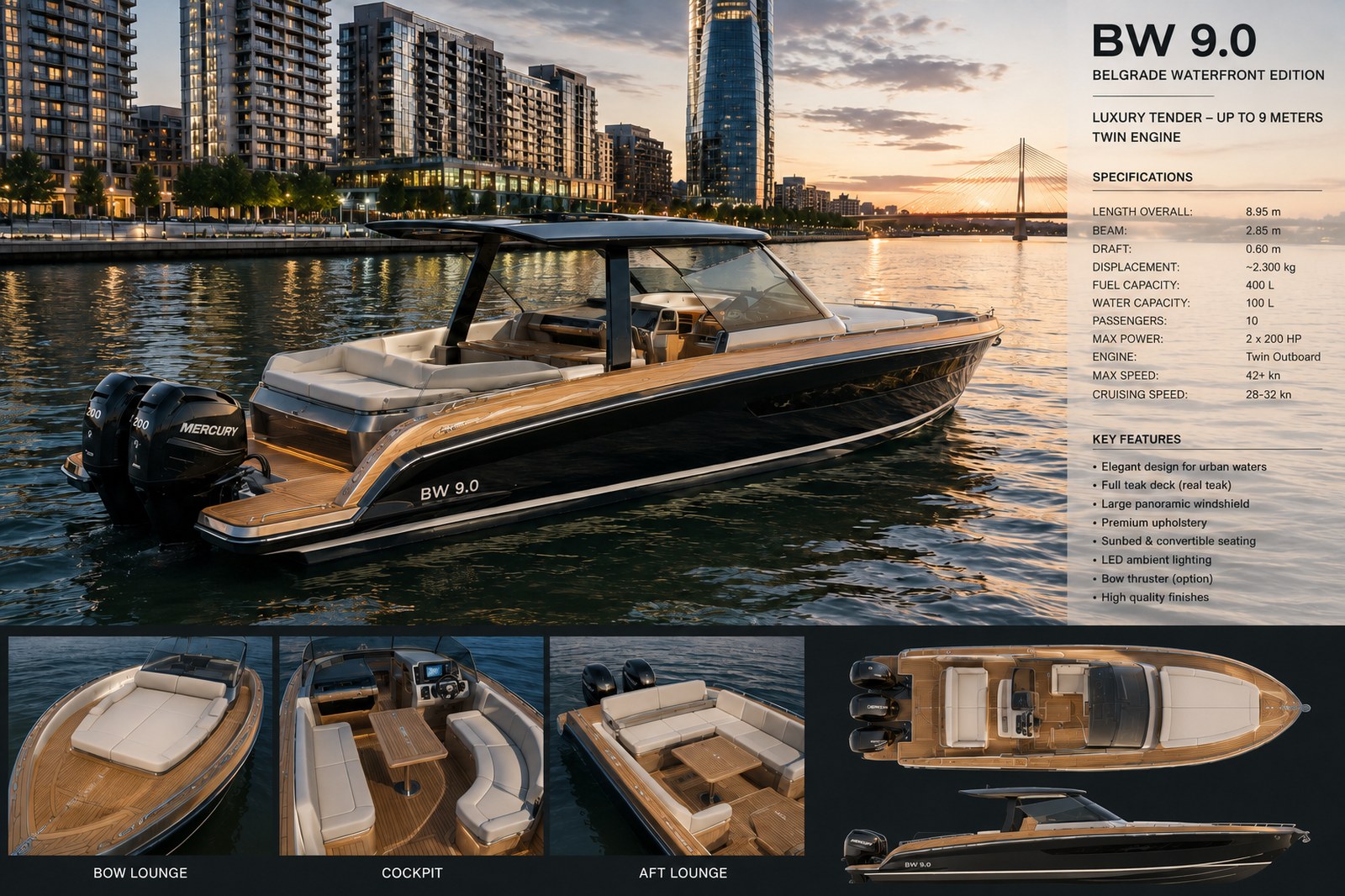
A civilian leisure tender derived from PREMAX's hull-engineering and waterjet/outboard integration expertise — a compact luxury day-boat for urban waterfronts and river cruising, finished in real teak with premium upholstery.
| Length overall | 8.95 m |
| Beam | 2.85 m |
| Draft | 0.60 m |
| Displacement | ≈2,300 kg |
| Fuel capacity | 400 L |
| Water capacity | 100 L |
| Passengers | 10 |
| Engine | 2 × outboard, ≈200 HP each |
| Max speed | 42+ knots |
| Cruising speed | 28–32 knots |
Concept specification. Final configuration, options and pricing confirmed at order.
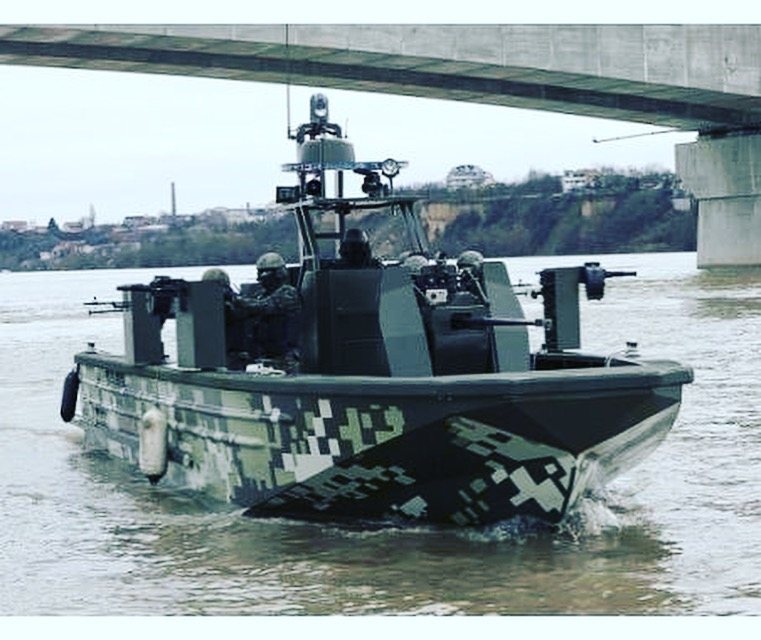
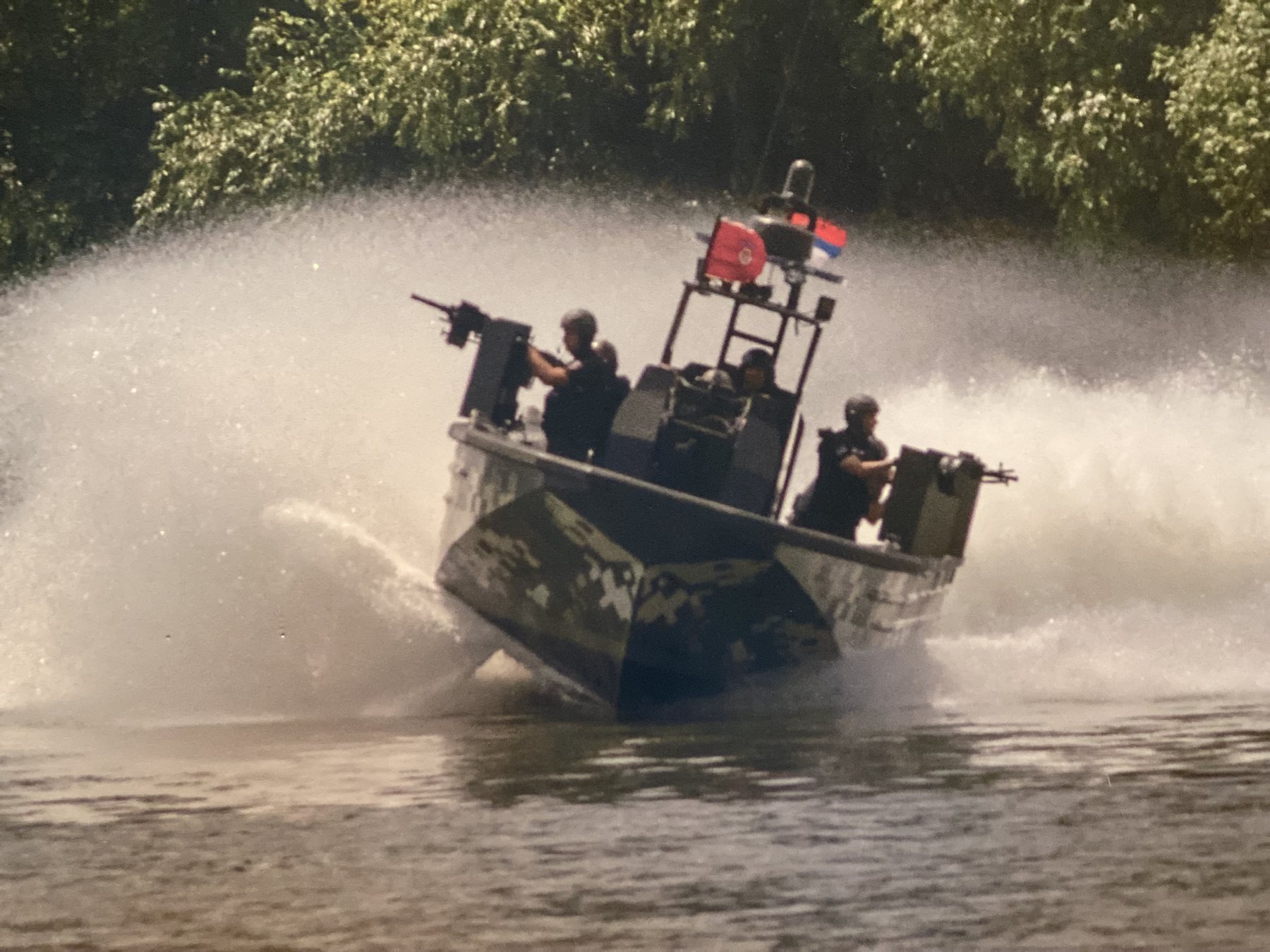
A high-performance craft designed for coastal and inland security operations — including counter-smuggling, counter-terrorism support, port and harbor protection, and special-operations insertion/extraction, alongside a range of law-enforcement and military support tasks.
All-aluminum hull (marine-grade 5083 alloy), TIG/MIG welded, with a deep-V bottom and a specially profiled bow that generates a spray screen to conceal the boat and weapon operators. Areas exposed to high stress during landing operations are reinforced. Bilge pumps maintain buoyancy even in cases of severe hull damage, and the double bottom provides stowage compartments for ammunition, tools and supplies. Large sound- and heat-insulated hatches provide easy access to the engine and jet units; the stern platform covers the waterjets and is perforated to shed water. The cockpit includes twin bilge wells, interior railings and anti-slip deck coating throughout. The centrally placed control desk is built to protect the boat operator.
Five weapon stations accommodate a range of light machine guns, grenade and smoke-pot launchers, configured to customer requirement. Add-on bullet-resistant panels can be fitted to the inner hull sides for additional crew protection. Specific weapon integration, fire-control and ammunition data are shared only through the controlled data room following NDA execution.
| Length overall | 11.98 m |
| Length on waterline | 10.05 m |
| Beam (maximum) | 3.34 m |
| Beam (waterline) | 3.00 m |
| Static draft | 0.7 m (1.2 m sea version) |
| Height from keel | 1.6 m |
| Displacement (dry / max) | 6,500 / 10,500 kg |
| Fuel capacity | 1,000 L |
| Engines | 2 × diesel, common-rail, ≈550 HP |
| Maximum speed | 45–50 knots |
| Range at top speed | ≈200 nm / 5 h |
| Crew | 6–8 |
| Diver / troop transport | 4–8 (up to 12 total onboard) |
Figures indicative for the reference configuration; final specification, weight and performance vary with tactical fit-out and mission equipment.
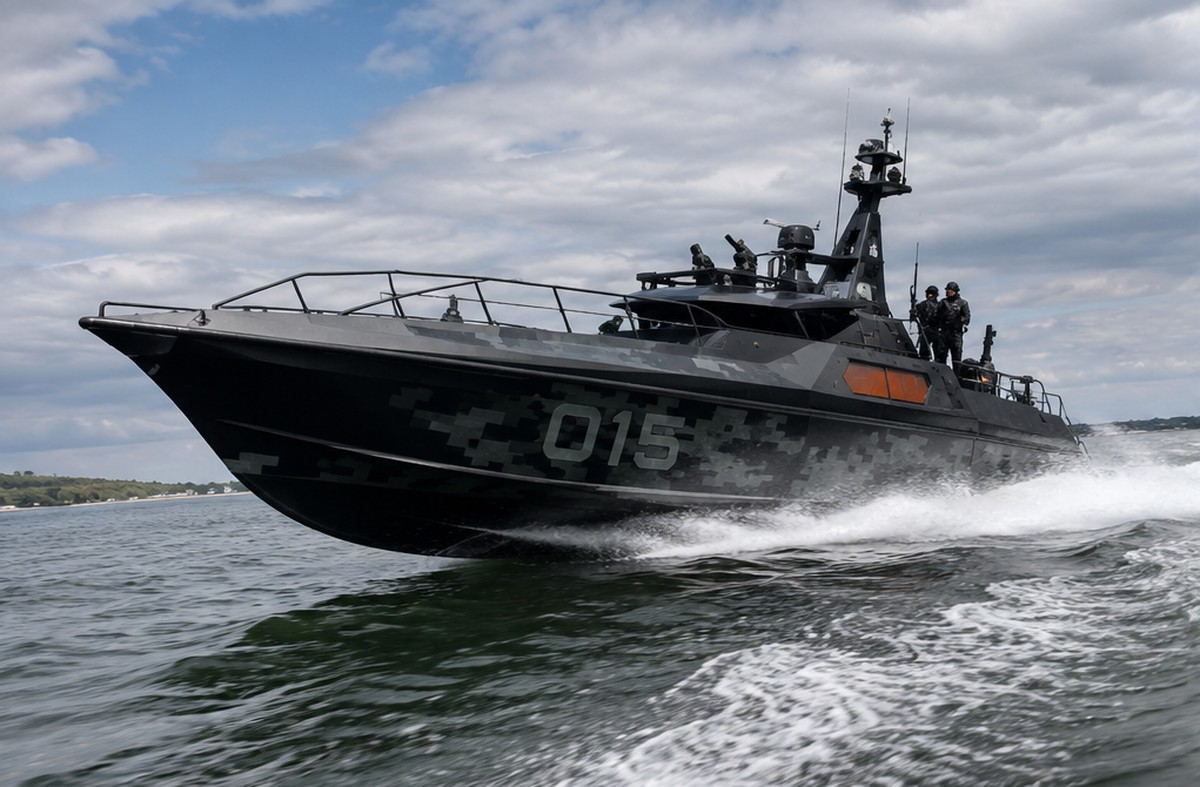
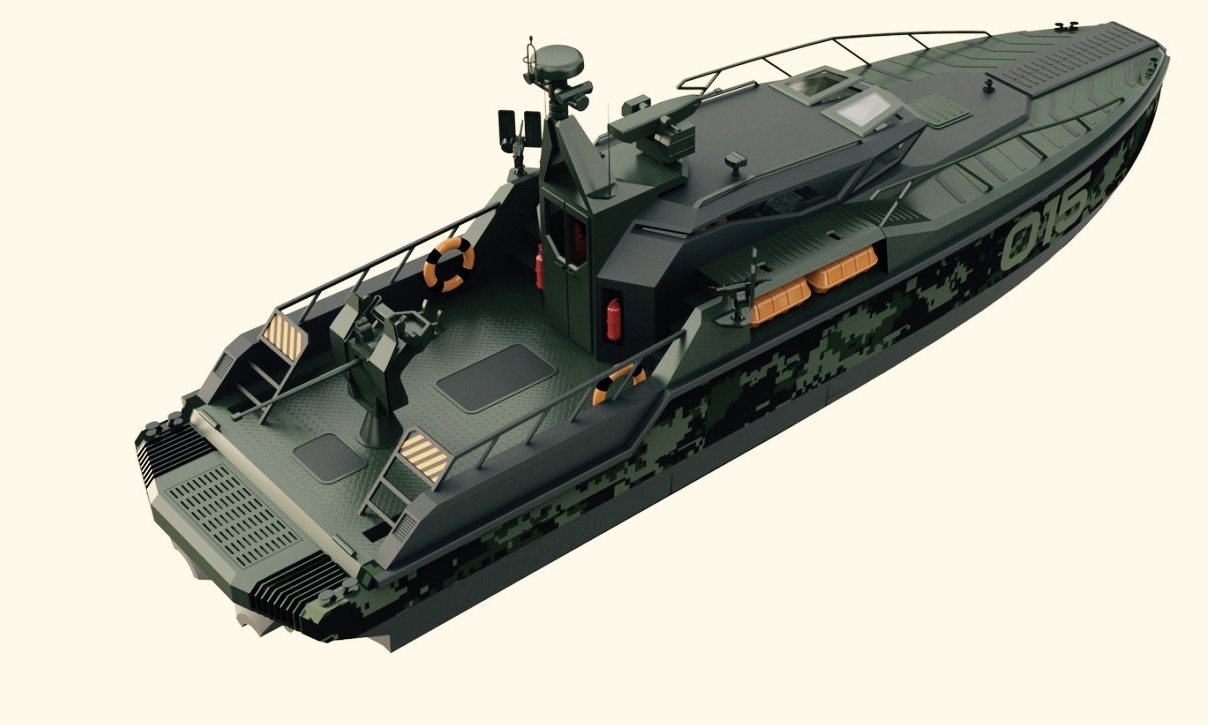
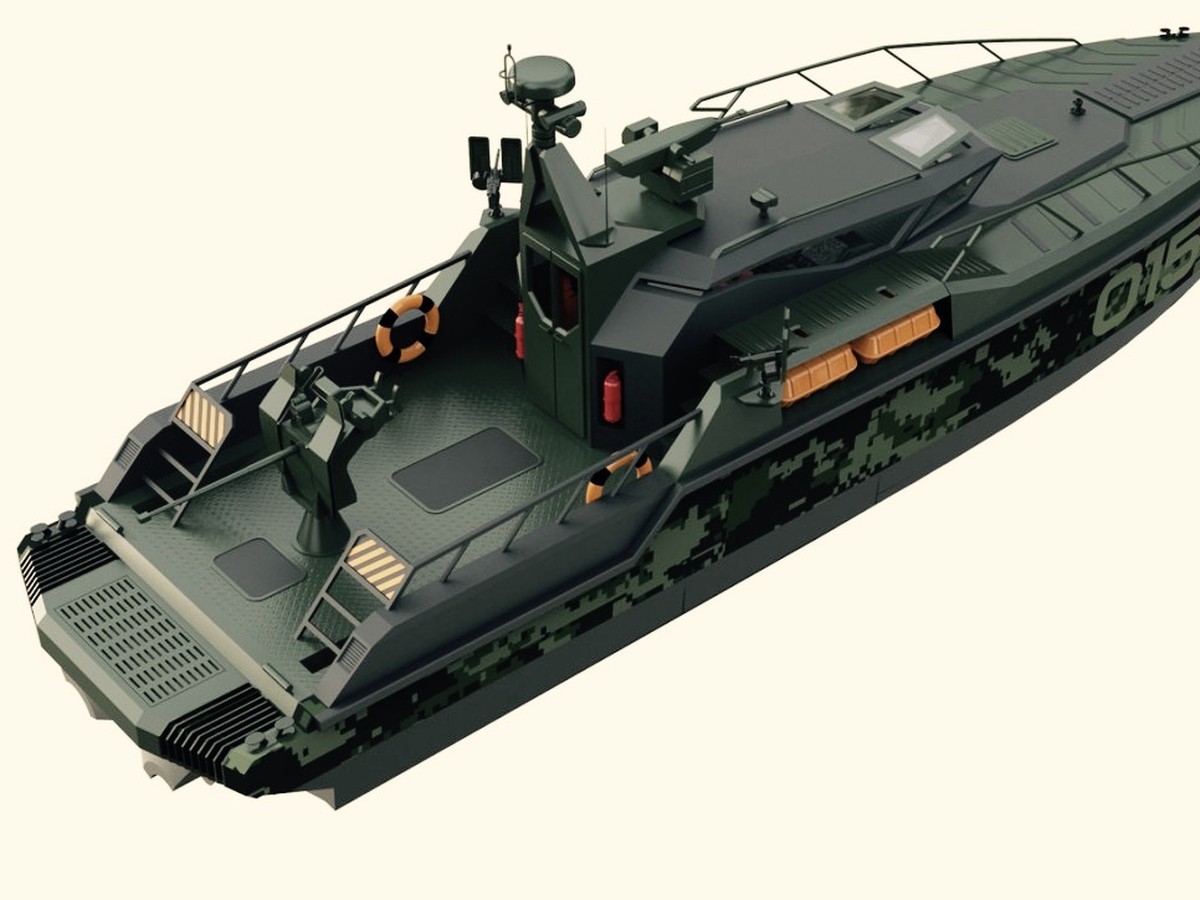
A high-performance interceptor built for rapid troop insertion/extraction, patrol duty, anti-trafficking and anti-smuggling operations, and port blockade tasks. Its small footprint allows the craft to be concealed close inshore under camouflage by day and to operate deep into contested waters by night.
Hull built entirely from marine-grade aluminum alloy in a deep-V configuration with a reinforced bow region for beach-landing loads. The double bottom is filled with PU foam so the vessel remains afloat even after significant hull damage, and the forward collision compartment is likewise foam-filled. Large, insulated hatches with gas-spring supports provide easy engine and waterjet access. A perforated stern platform covers the jet units and serves as a boarding platform. The cockpit includes twin bilge wells, interior railings and anti-slip decking throughout, with a protected command console amidships seating the helmsman plus four crew.
Six weapon-mounting stations support various caliber machine guns, grenade launchers and smoke-grenade launchers, with stern positions available for tactical or interceptor-role weapon fits. Add-on bullet-resistant panels mount to the inner hull sides, with engine-room sides kept clear of fixed equipment for straightforward armor fitting. Specific weapon integration and ammunition data are shared only through the controlled data room following NDA execution.
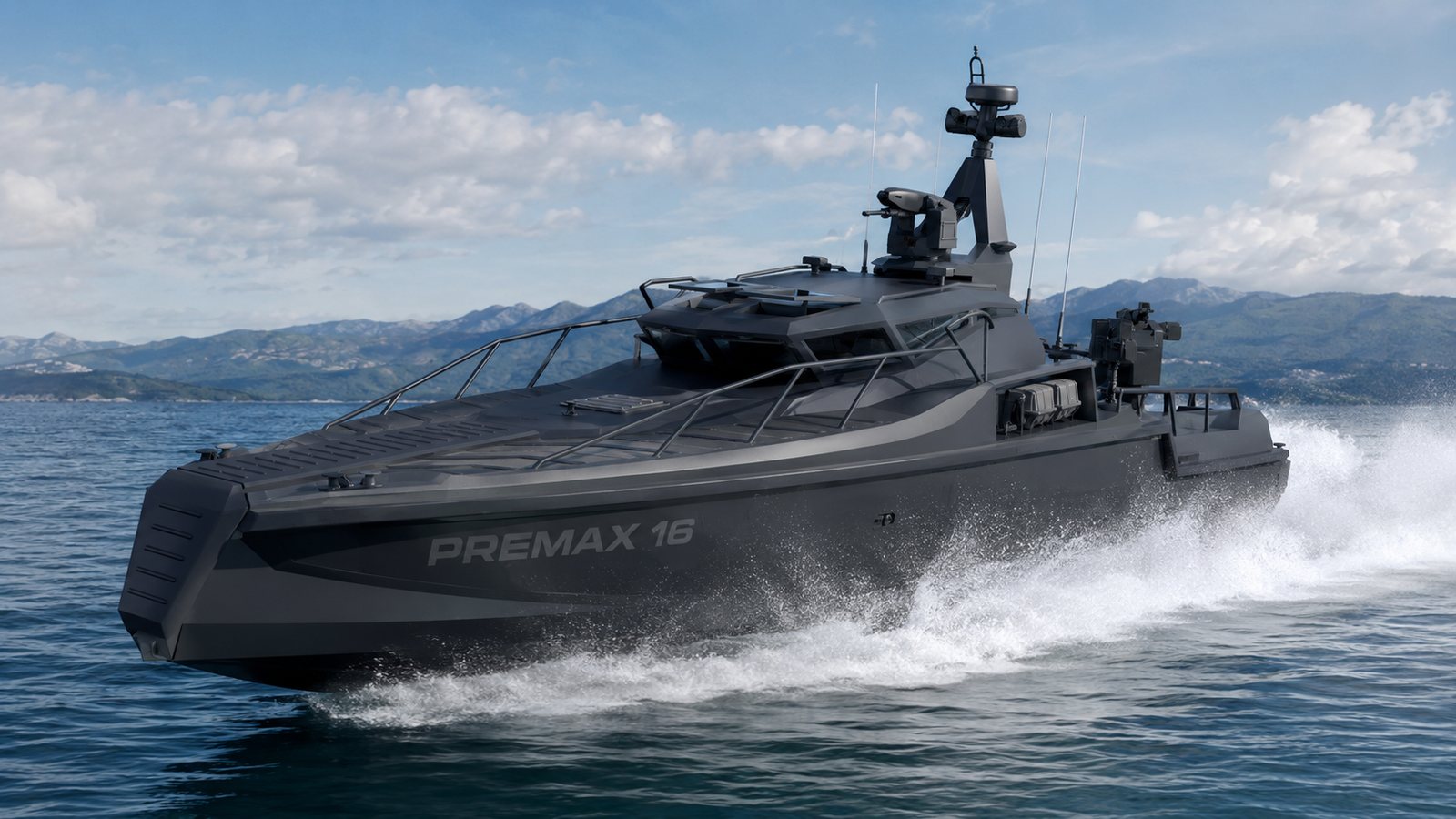
| Length overall | 16.0 m |
| Beam overall | 3.6 m |
| Draft | 1.1 m |
| Engines | 2 × diesel, 600–800 kW |
| Propulsion | Twin waterjets |
| Maximum speed | 45 knots (full load) |
| Endurance | 8 h at cruising speed |
| Crew | 3–4 (mission dependent) |
| Passenger / troop capacity | Up to 20 |
| Auxiliary power | 24 kW generator |
Figures indicative for the reference configuration; exact specification confirmed at contracting per customer mission requirements.
The PREMAX 16 hull platform supports rapid reconfiguration for tactical interceptor, civil-protection and emergency-response roles, sharing the same propulsion, hull and systems architecture.
 Prototype Development
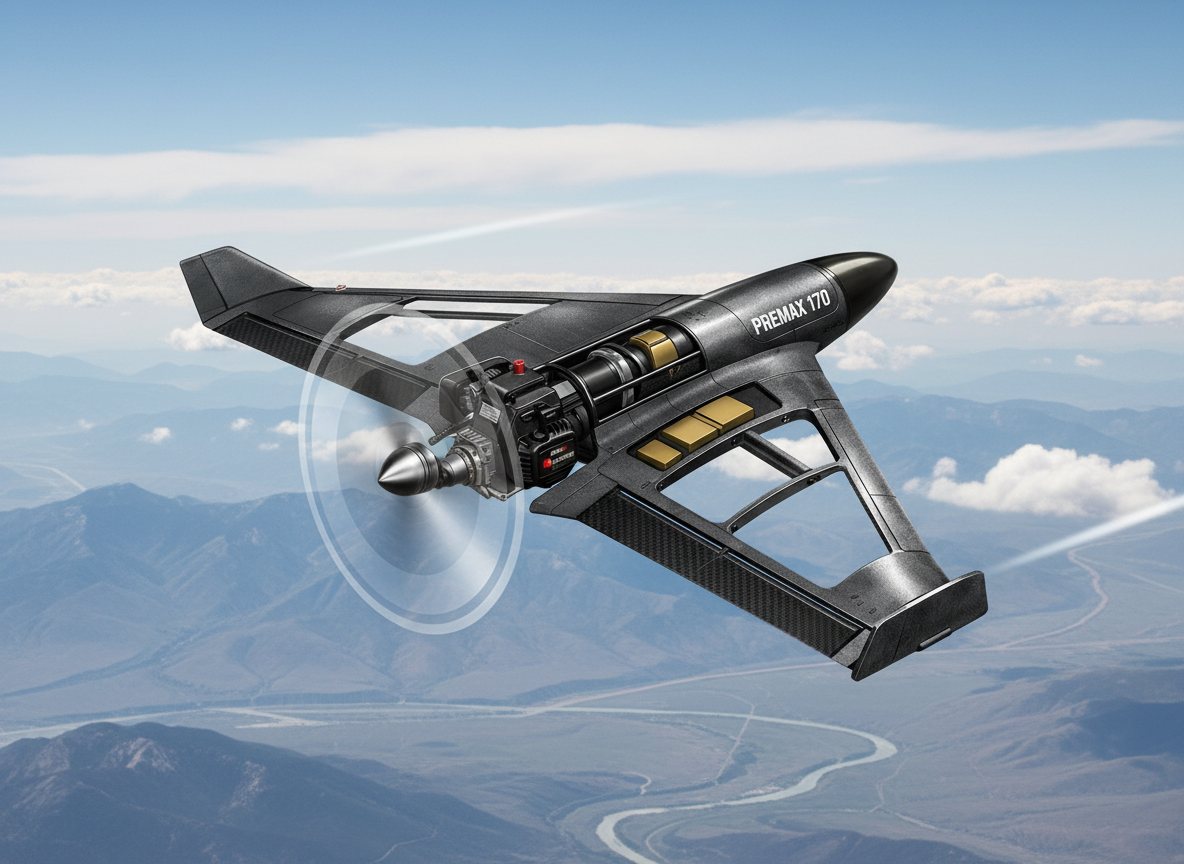
Fixed-wing UAV platform in prototype development, engineered for reconnaissance and payload-carrying missions.
 Development Program
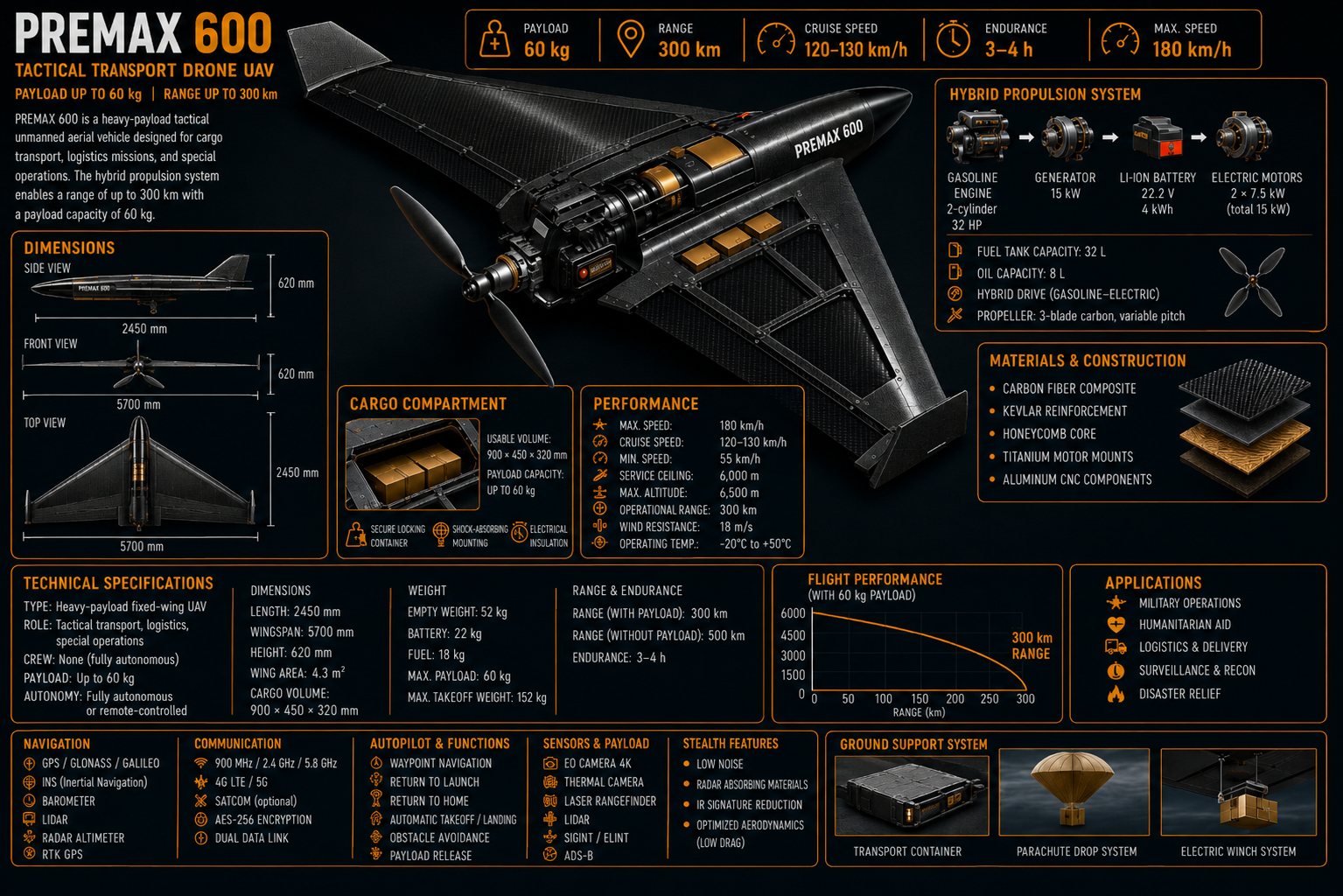
Heavy-payload fixed-wing UAV for cargo transport, logistics and special operations, with hybrid gasoline-electric propulsion delivering up to 300 km range at 60 kg payload.
Full technical specification →Long-range multi-purpose logistics and reconnaissance unmanned platform. Currently a development document; declared performance figures require further analysis and ground/flight testing.
 Prototype Development
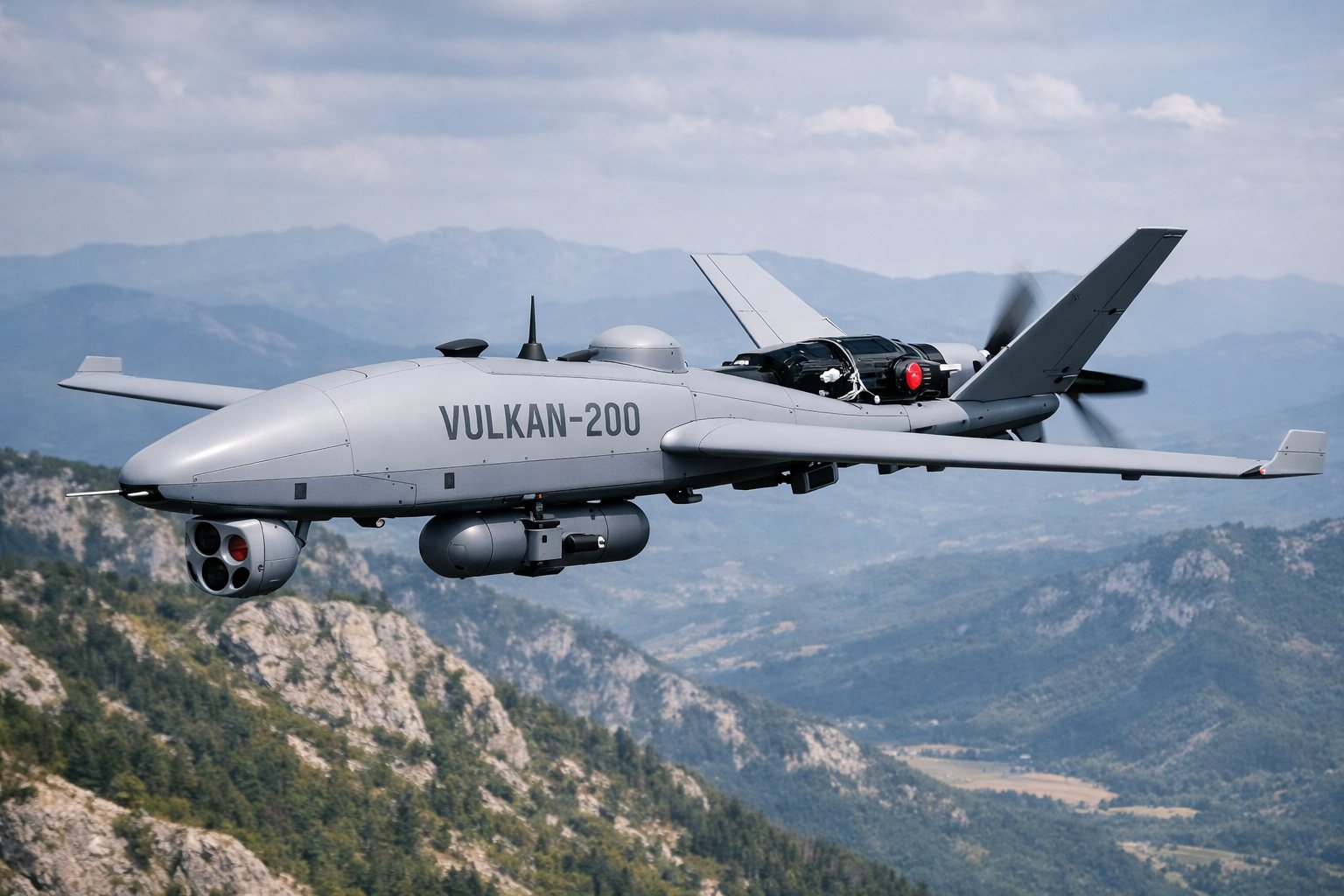
Medium-class tactical fixed-wing UAV positioned as a national development program — dual-use civil-security, industrial and mapping platform, in its current phase without combat-system integration.
Full technical specification →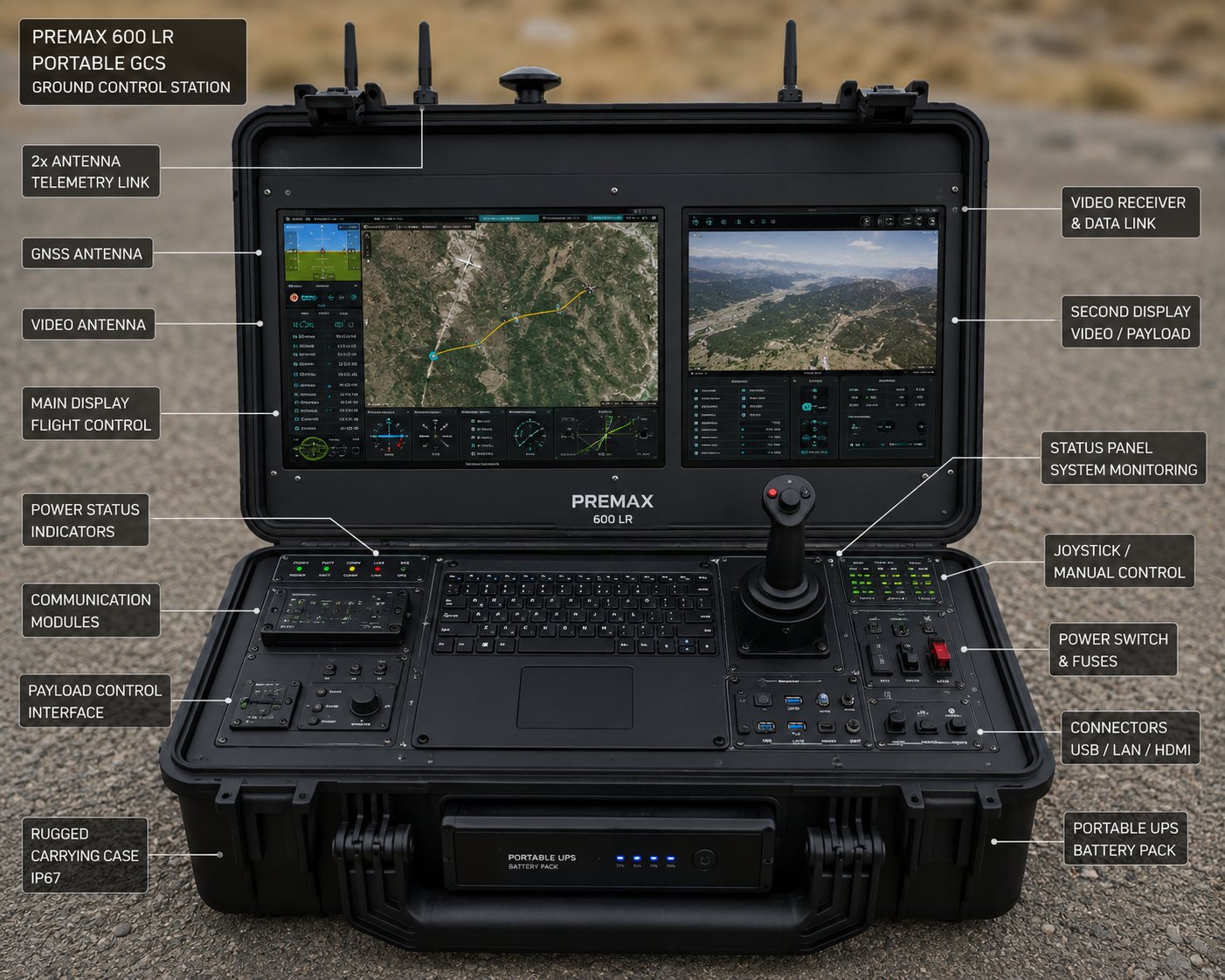 System Development
Man-portable, IP67-rated ground control station developed for field deployment with PREMAX unmanned aerial platforms — dual sunlight-readable displays, integrated telemetry/video links and portable UPS.
 Development Architecture
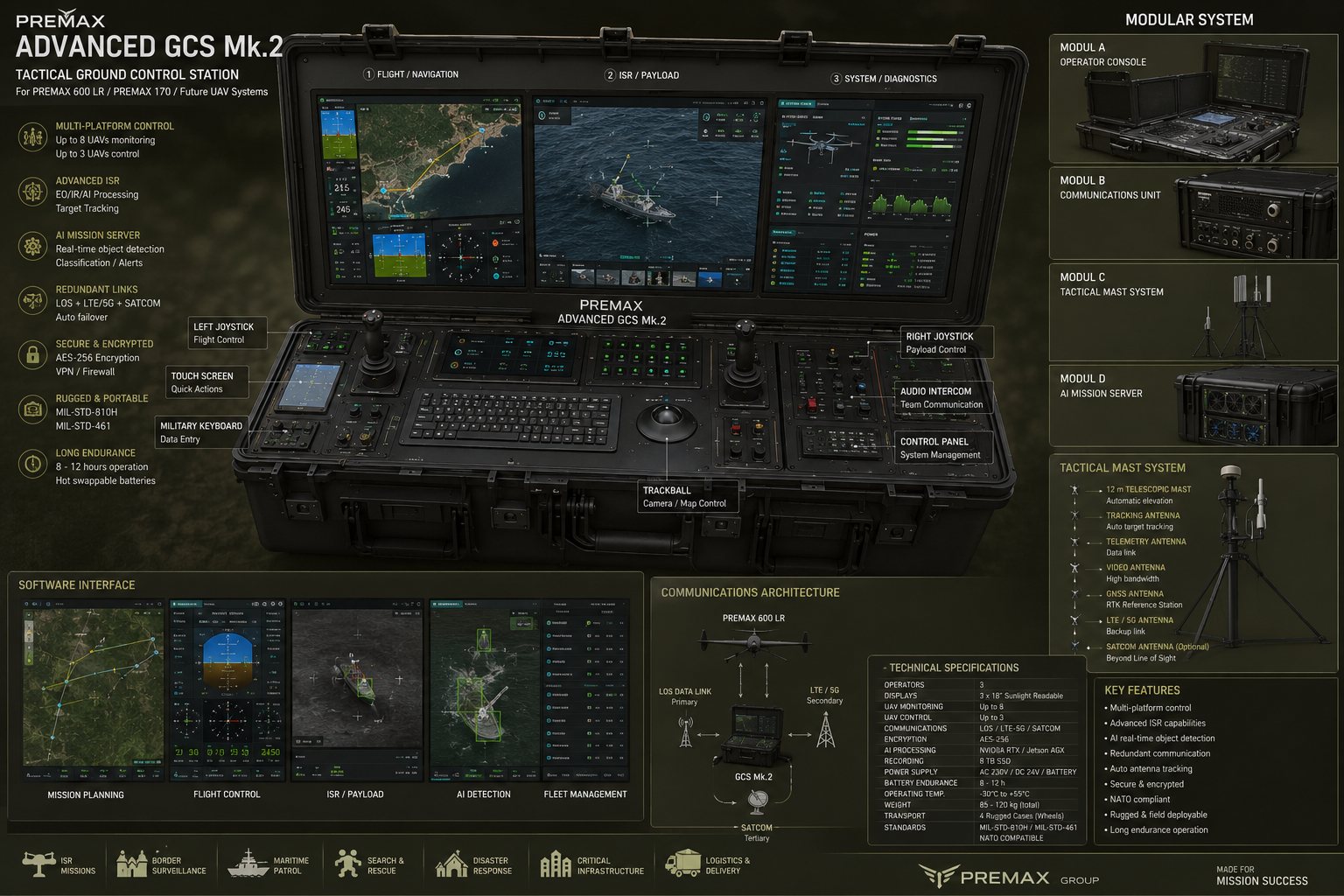
Next-generation modular ground control station architecture for PREMAX 600 LR, PREMAX 170 and future UAV systems — multi-platform control, ISR/AI mission processing and redundant secure communications.
A heavy-payload, fixed-wing flying-wing UAV designed for cargo transport, logistics missions and special operations. Hybrid gasoline-electric propulsion enables an operational range of up to 300 km with a 60 kg payload (up to 500 km unloaded), with fully autonomous or remote-controlled operation.
Flying-wing carbon-fiber composite structure with Kevlar reinforcement, honeycomb core, titanium motor mounts and aluminum CNC components. The secure, shock-absorbing cargo compartment (900 × 450 × 320 mm usable volume) includes electrical insulation and locking for a payload of up to 60 kg.
GPS/GLONASS/Galileo, INS, barometric and radar altimeter, LIDAR and RTK GPS for precision navigation. Communication via 900 MHz / 2.4 GHz / 5.8 GHz links, 4G LTE/5G, optional SATCOM, AES-256 encryption and a dual data-link architecture. Autopilot functions include waypoint navigation, return-to-launch/home, automatic takeoff/landing, obstacle avoidance and payload release. Standard sensor payload: 4K EO camera, thermal camera, laser rangefinder and LIDAR. Mission-specific sensor and communications payload configurations are shared through the controlled data room following NDA execution.
| Length / wingspan / height | 2450 / 5700 / 620 mm |
| Wing area | 4.3 m² |
| Empty weight | 52 kg |
| Max payload | 60 kg |
| Max take-off weight | 152 kg |
| Max / cruise / min speed | 180 / 120–130 / 55 km/h |
| Service ceiling | 6,000 m |
| Range (with 60 kg payload) | 300 km |
| Range (unloaded) | 500 km |
| Endurance | 3–4 h |
| Wind resistance | 18 m/s |
| Operating temperature | -20°C to +50°C |
Ground support: transport container, parachute drop system and electric winch system. Applications: military logistics, humanitarian aid, surveillance and disaster relief. Figures indicative for the reference configuration.
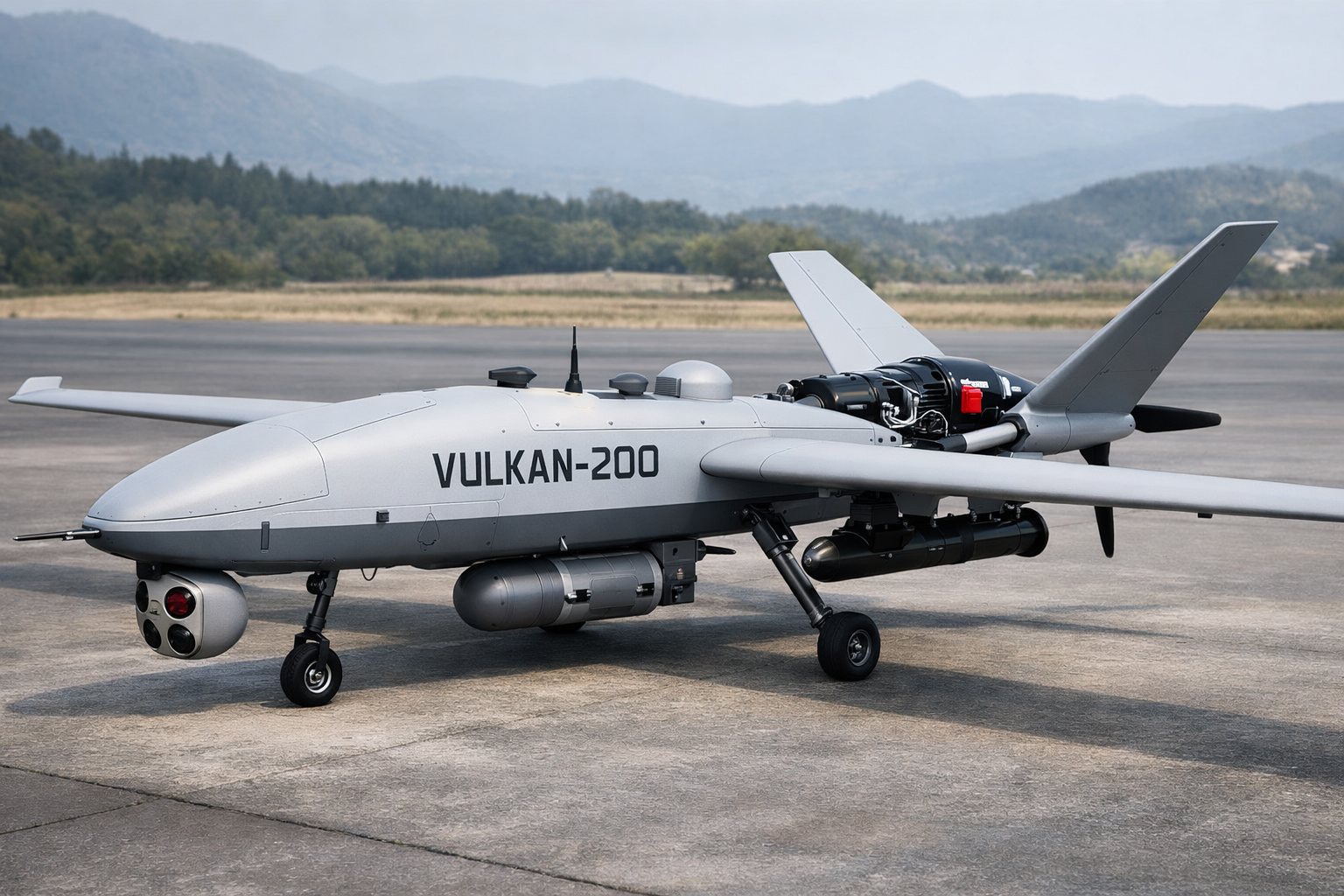
VULKAN-200 is positioned as a national UAV development program for Montenegro — encompassing design, integration, assembly, testing, operator training, maintenance and future serial production, not just a single aircraft. In its initial development phase the platform is a dual-use civil-security, industrial and mapping system, without combat-system integration.
Modular composite fuselage in three zones (forward sensor/avionics bay, center fuel tank/wing carry-through/payload, aft engine and tail), with carbon/epoxy and glass/epoxy structure and aluminum hardpoint fittings. Wing sections are detachable for transport, with a V-tail or inverted V-tail configuration for clean airflow around the pusher propeller, and fixed tricycle landing gear for short-strip operation from paved, concrete or prepared unpaved surfaces.
Modular sensor architecture — EO day camera, IR/thermal camera, stabilized gimbal, mapping camera, multispectral sensor, AIS receiver, communications relay and weather package; the initial development phase focuses on one primary EO/IR sensor and one secondary mapping sensor. Communications comprise a line-of-sight C2 link, telemetry, video and service links with an autonomous return-on-loss-of-link mode, targeting an 80–150 km LOS radius in the first prototype; SATCOM/BVLOS capability is planned for a later phase. Ground control is available in portable (transit-case) and vehicle-integrated configurations. Detailed system architecture and interface documentation are shared through the controlled data room following NDA execution.
| Maximum take-off weight | 180–220 kg (200 kg nominal) |
| Payload | 25–45 kg |
| Wingspan | 7.5–8.8 m |
| Length / height | 4.8–5.6 / 1.5–1.9 m |
| Wing area | 5.5–7.0 m² |
| Empty weight | 90–120 kg |
| Cruise / max speed | 90–120 / 160–190 km/h |
| Operational ceiling | 3,500–5,500 m AMSL |
| Endurance (development target) | 8–14 h |
| Operational radius (LOS) | 80–150 km |
| Takeoff / landing distance | 150–250 / 120–220 m |
Pre-project concept specification, Rev A0. Figures are design targets subject to confirmation by CAD/CAM modeling, structural analysis, and ground and flight testing.
SRS, baseline configuration, mission profile, general-arrangement drawing, mass and CG estimate, aerodynamics, engine selection.
3D model, FEM structural analysis, production drawing pack.
Tooling, materials, engine, avionics and sensor procurement; completed Rev A airframe.
Engine run, taxi trials, communications and CG verification, first controlled flight.
Extended autonomy, speed and altitude testing, mission-sensor integration, demonstration for government users and partners.
VULKAN-200 Rev B pre-series configuration: extended endurance, stabilized EO/IR, 100+ km data link.
Realistic horizon: 9–12 months from program start to a credible demonstrator, approximately 18 months to a stable pre-series configuration.
| Cost Category | Indicative Range |
|---|---|
| Design & engineering | €150,000 – €250,000 |
| CAD/CAM, analysis & documentation | €80,000 – €150,000 |
| Tooling & composite production | €120,000 – €250,000 |
| Engine, propeller & fuel system | €40,000 – €90,000 |
| Avionics & autopilot | €60,000 – €150,000 |
| EO/IR sensor | €80,000 – €250,000 |
| Data link & antennas | €40,000 – €120,000 |
| Ground control station | €60,000 – €180,000 |
| Testing & test range | €80,000 – €180,000 |
| Training & documentation | €40,000 – €100,000 |
| Contingency / risk reserve | €100,000 – €250,000 |
| Indicative demonstrator cost | €750,000 – €1,800,000 |
| Indicative program to pre-series | €2,000,000 – €4,500,000 |
Indicative planning ranges from pre-project concept documentation, Rev A0. Figures are not a committed budget and are subject to vendor quotation, engineering review and final program approval. Request Data Room Access →
 Pre-Feasibility / Owner Requirements
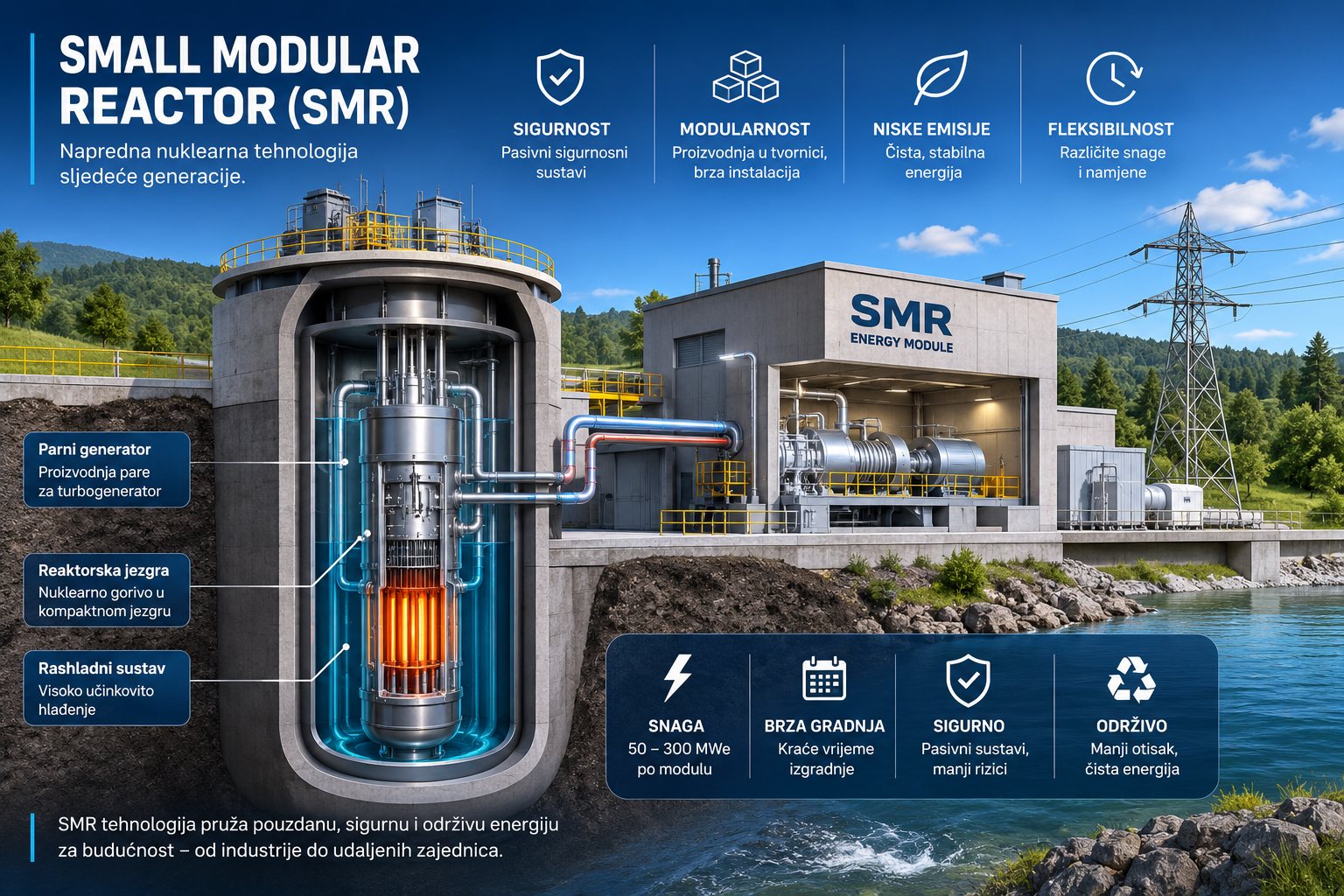
Pre-feasibility and owner-requirements stage program for a Gen III+/advanced small modular reactor power plant, targeting low-carbon baseload generation with passive safety systems and a phased, multi-module expansion path. Final technology, capacity, site and licensing basis remain subject to formal studies and regulatory process.
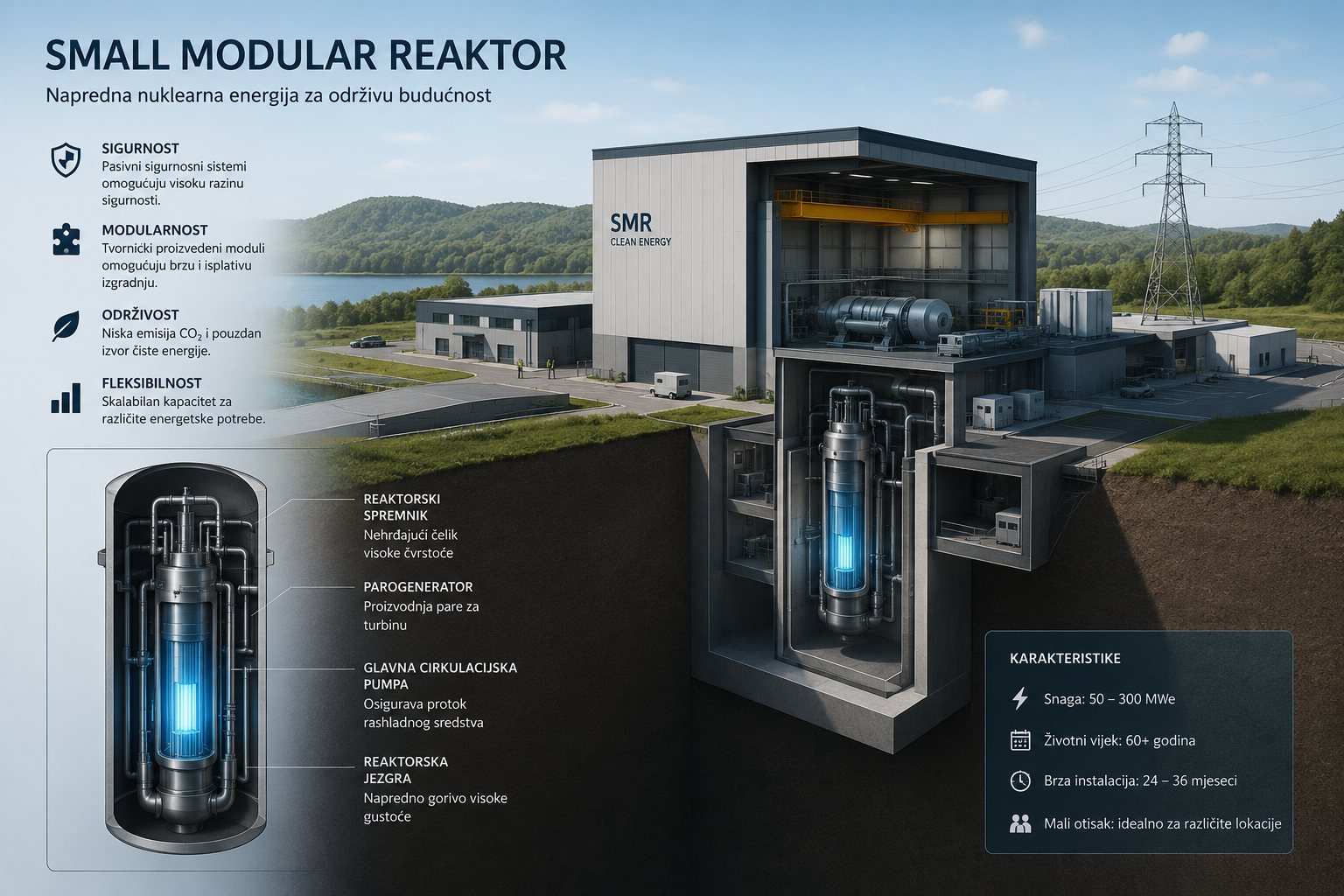 Concept Diagram
Illustrative plant configuration showing reactor containment, steam generator, primary circulation and grid interconnection. Detailed technical documentation, feasibility study and financial model are available to qualified partners via the Investor & Partner Room under NDA.
Additional industrial and power-generation concepts currently at pre-feasibility / business-case stage. Figures below are indicative planning parameters only, not committed budgets or vetted financial projections.
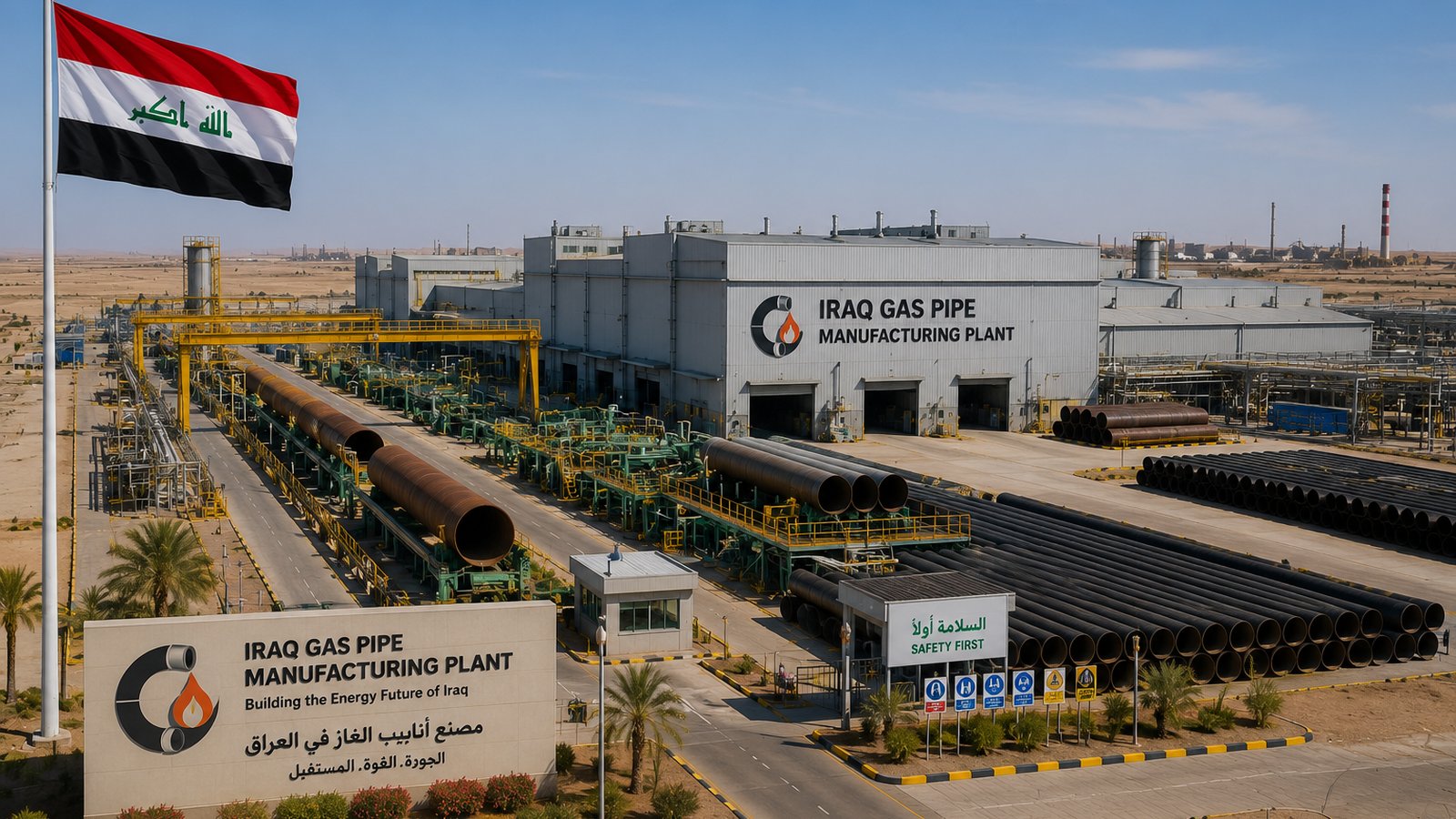 Concept / Business Case
Early-stage concept for a steel gas-pipeline manufacturing facility in Iraq, targeting government infrastructure, energy-sector and oil & gas customers across the Middle East.
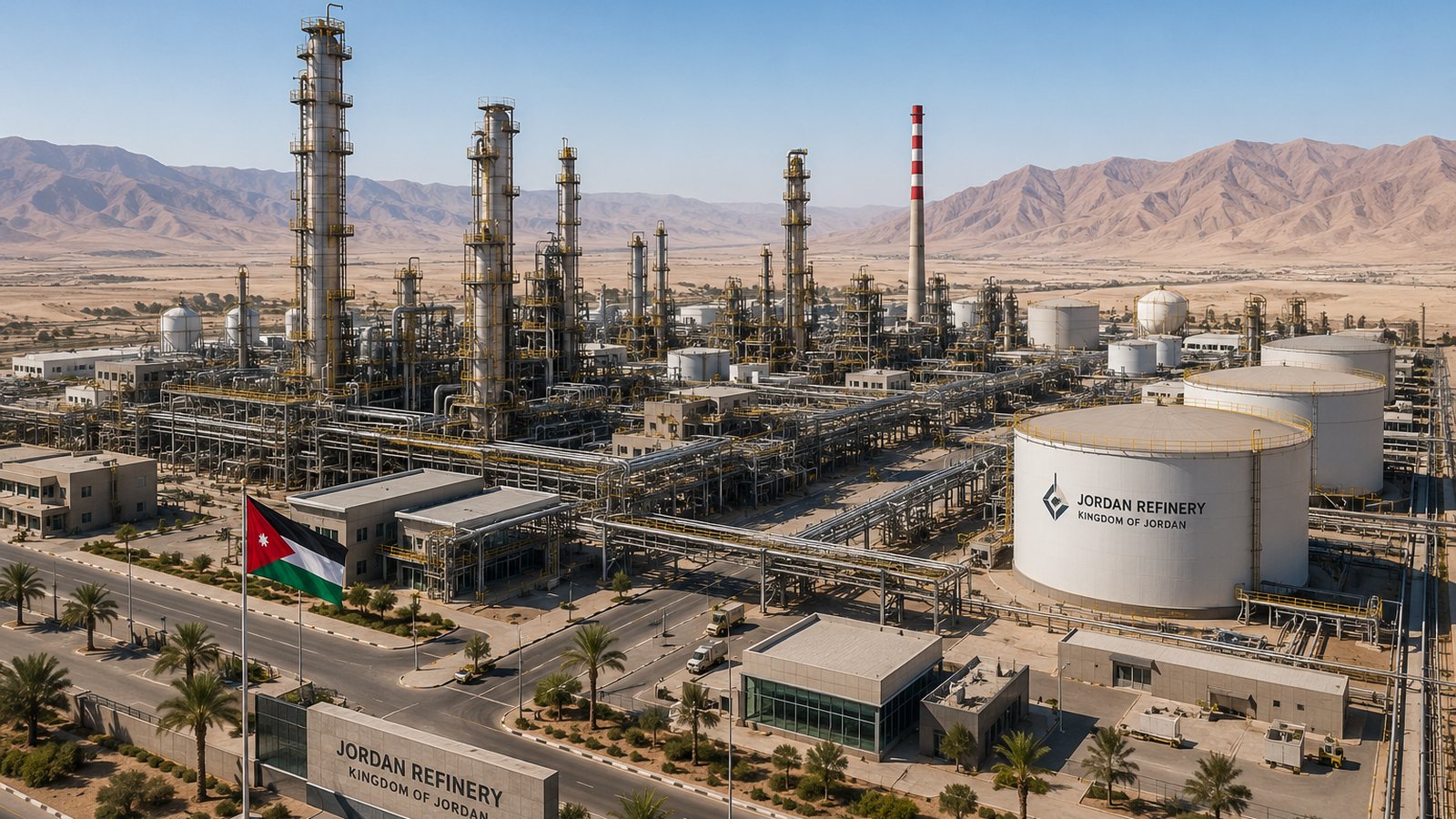 Concept / Business Case
Early-stage concept for a large-scale refined-petroleum-products facility in Jordan, positioned to supply industrial manufacturers across Europe and the United States.
Early-stage venture for the manufacture of compact mini-hydro turbine units for the Balkan regional market, based in Montenegro, targeting farms, rural households and small off-grid operators.
 Concept / Business Case
Early-stage concept for a grid-connected solar power plant in Montenegro, targeting households, communities and commercial offtake alongside government renewable-energy incentive programs.
Early-stage engineering and cost concept for a bridge-causeway fixed link across the Strait of Hormuz, connecting the Iranian mainland at Bandar Abbas with Qeshm Island. Scope covers post-tensioned concrete deck spans, cast piers and steel-pipe marine foundations, and a swing-bridge section providing a navigable channel for shipping traffic. Deep-water foundation design is informed by published geotechnical ground-improvement research for the crossing corridor.
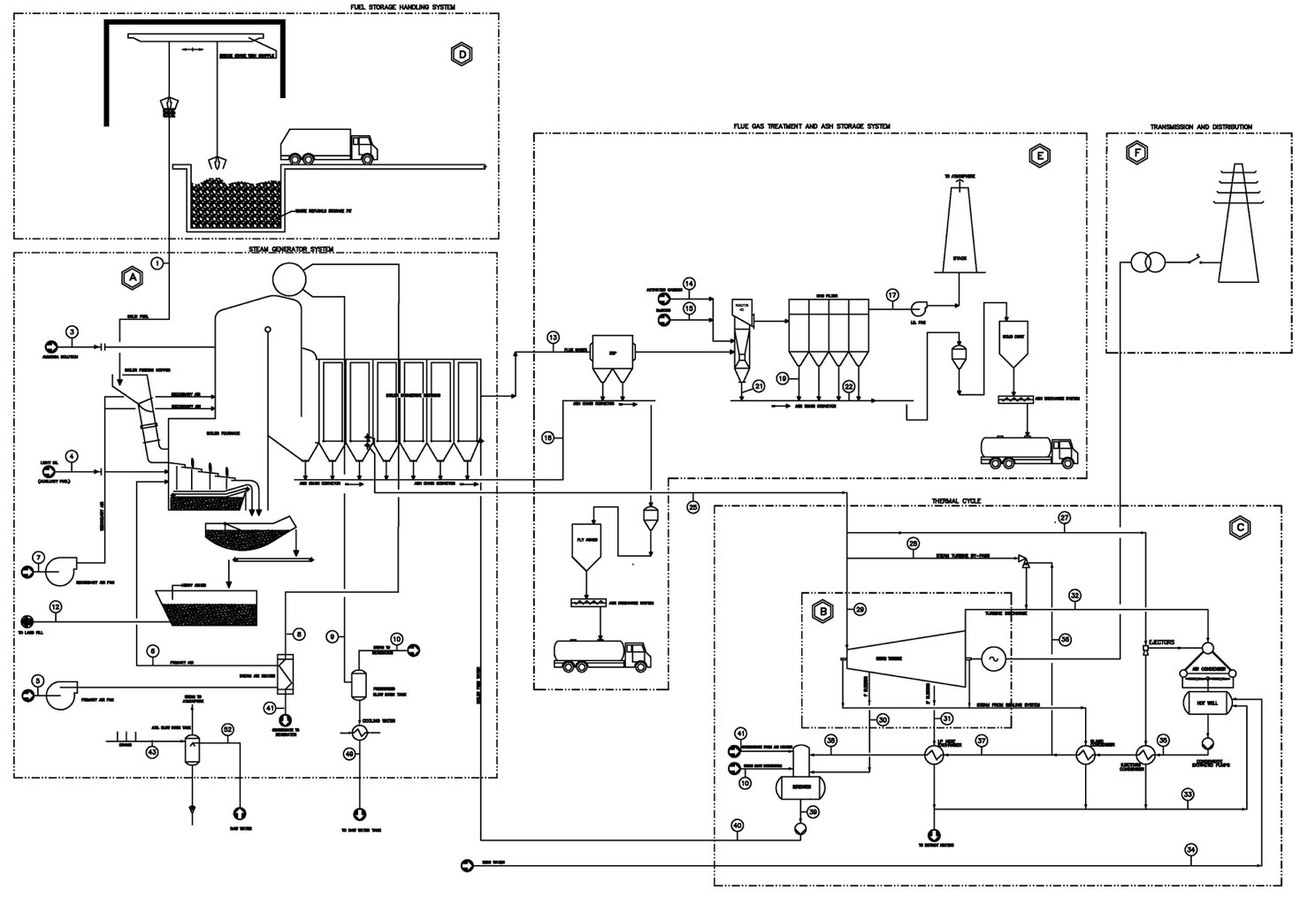 Concept / Preliminary Technical Description
Preliminary technical concept for a combined power and district-heating plant in Nikšić, burning municipal solid waste on a water-cooled grate combustion system feeding a dedicated steam turbine generator.
Early-stage concept for what would be the first municipal waste-to-energy power plant in Saudi Arabia, processing regional municipal solid waste from the Riyadh area into dispatchable electricity for public-utility offtake while reducing landfill volumes for the region.
All programs above are at internal business-case / pre-feasibility stage. Detailed financial models are preliminary planning tools and are not published; qualified partners may request further information via the Investor & Partner Room.
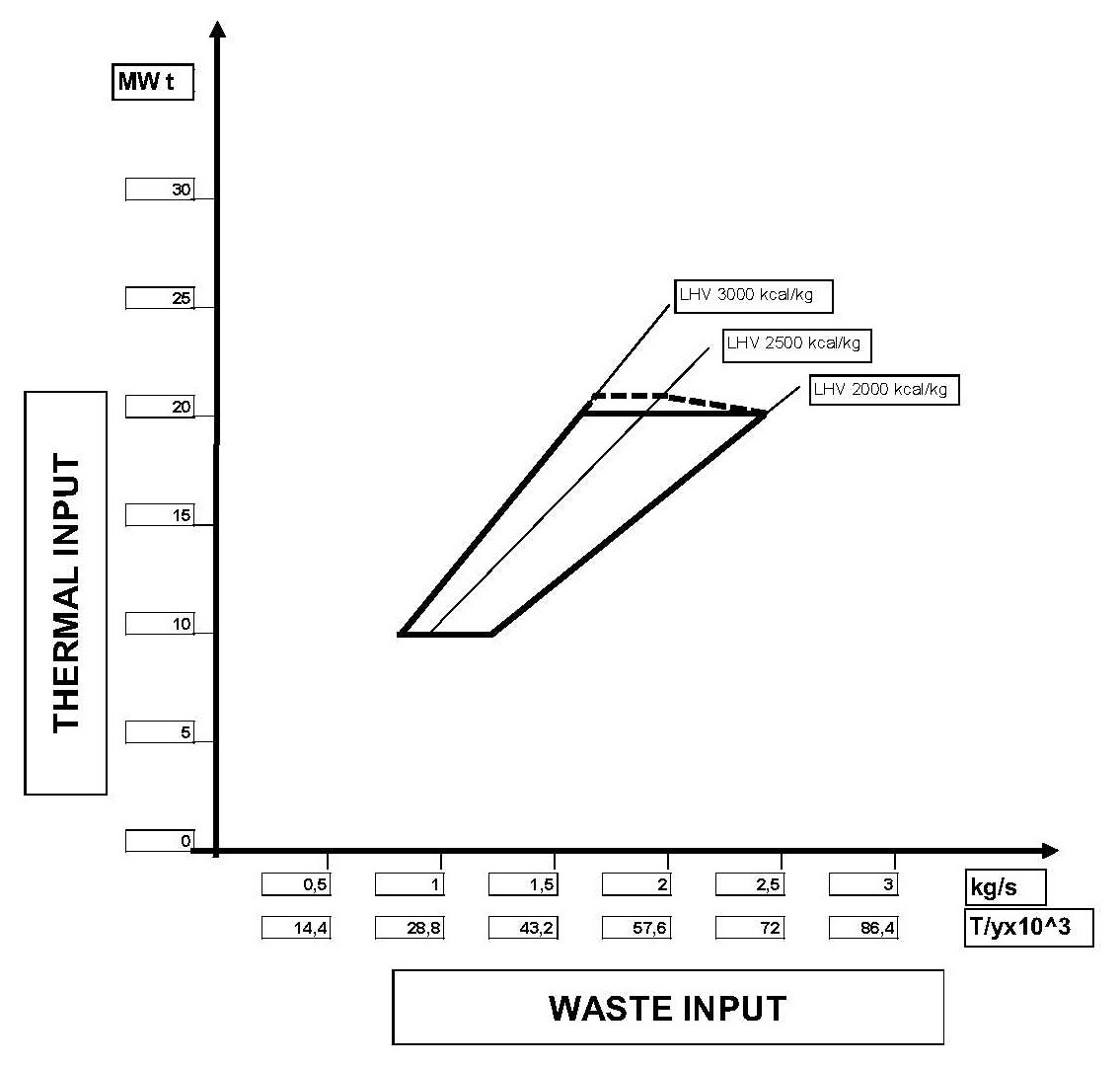
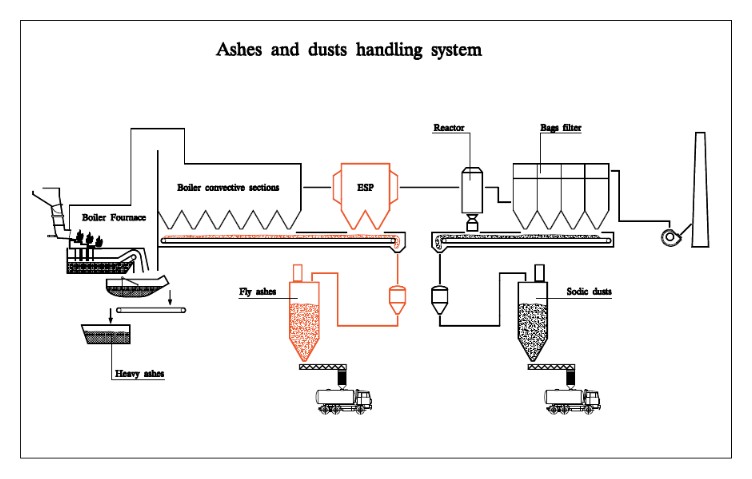
A 5 MWe combined power and district-heating plant burning municipal solid waste on a water-cooled grate combustion system, designed to meet EU industrial-emissions standards from the outset. The plant is divided into six functional islands: refuse handling & feeding, WTE boiler, steam turbine, flue-gas treatment, balance of plant, and power transmission & distribution.
Municipal solid waste is delivered daily and tipped into an enclosed concrete storage pit, then transferred by bridge crane and grapple to a shredder for size reduction before feeding the boiler via a rubber-belt elevator, with magnetic separation of ferrous scrap ahead of the grate. Combustion takes place on a water-cooled, sloped grate system with primary/secondary air supply, auxiliary start-up burners and an integrated horizontal boiler; a urea-based SNCR system controls NOx directly in the furnace.
Designed for 8,000 h/year availability (annual 2-week shutdown plus 1-week intermediate maintenance) and a 25-year service life, with emissions engineered to meet Directive 2010/75/EU on industrial emissions. Full P&ID drawings and the mass/heat balance are shared through the controlled data room following NDA execution.
| Boiler capacity | 20 MWt |
| Combustion grate thermal load | 22 MWt |
| Electrical output | 5 MWe (5.5 MVA, 6 kV) |
| Steam pressure / temperature at battery limit | 54 bar g / 440 °C |
| Boiler feed-water temperature | 170 °C |
| Waste feed rate | ≈7 t/h (5,000 t/month) |
| Waste low calorific value (design) | ≈2,500 kcal/kg |
| Annual availability | 8,000 h |
| Design service life | 25 years |
Preliminary technical description, Belgrade, Nov 2025. Figures are pre-project design parameters subject to detailed engineering and vendor confirmation.
 Development Program
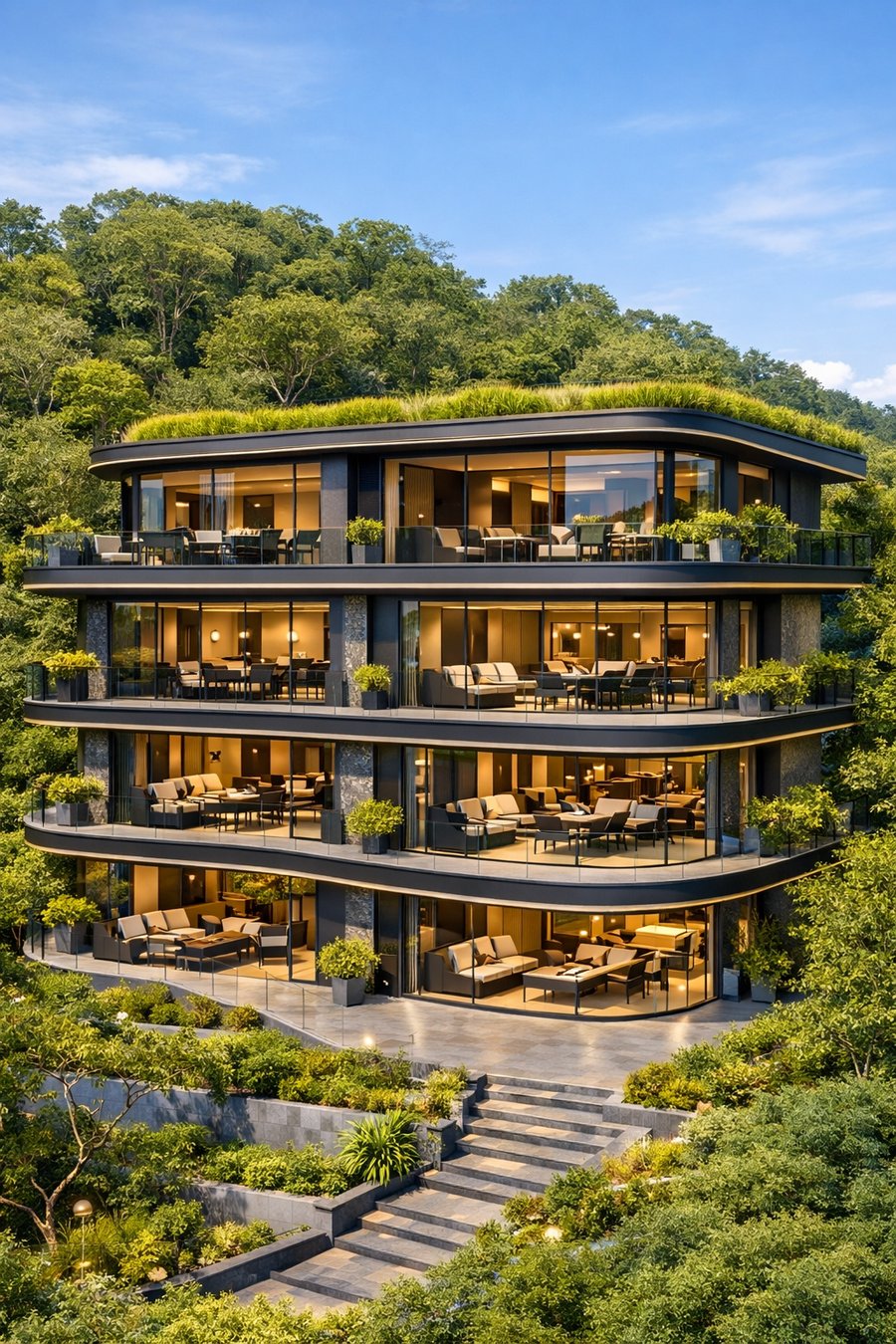
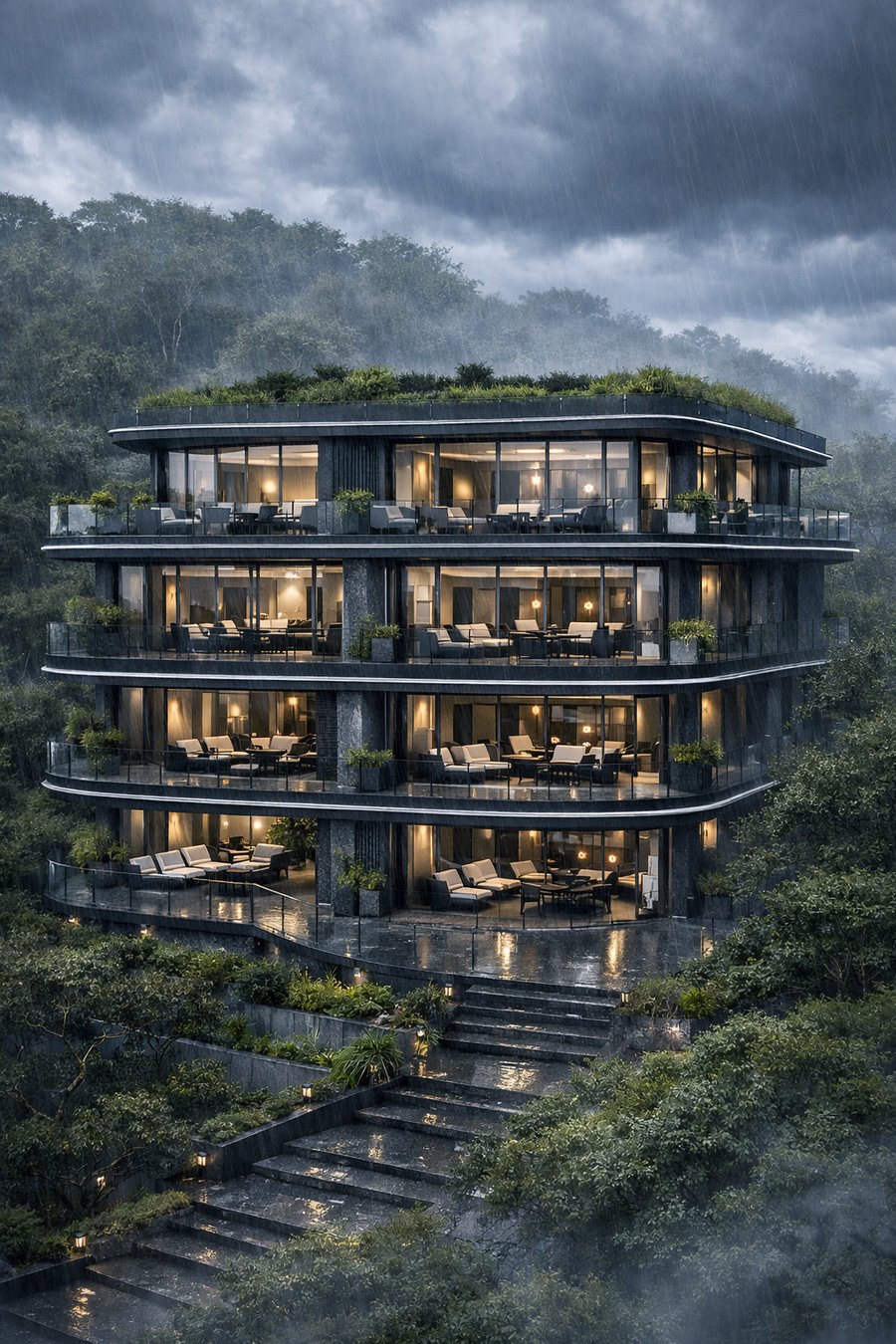
Premium residential development program — a boutique multi-floor building set within a landscaped hillside site, applying contemporary architecture, energy efficiency and professional project management standards.
More on Real Estate Development →AI-enabled project control platform in concept and development, designed to support budget, schedule, risk and document control across PREMAX programs.

A continuously updated, geospatially grounded digital representation of Belgrade linking assets, networks, events and processes with historic and near-real-time data — built as decision-support infrastructure, not a representational 3D model.
A smart-management platform for space, mobility, energy, water and public services in Nikšić, covering the urban core, the industrial-energy zone and the Krupac / Slano / Vrtac lake and karst-water catchments.
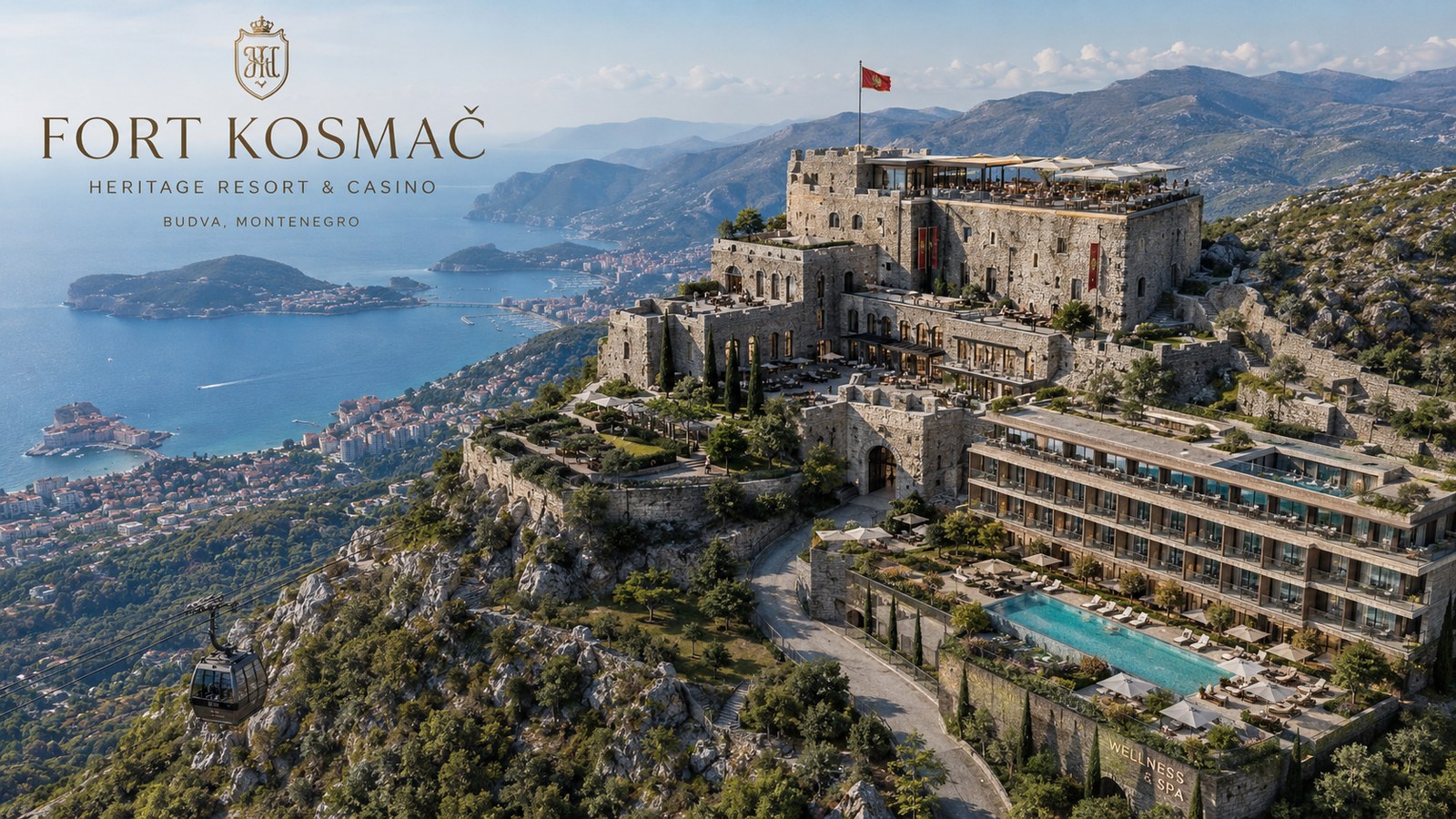 Concept / Preliminary Development Framework
Conservation-led restoration of the historic Kosmač fortress into a five-star heritage resort above the Budva Riviera, combining hospitality, wellness, gastronomy and cultural programming with the fortress as the cultural and brand nucleus.
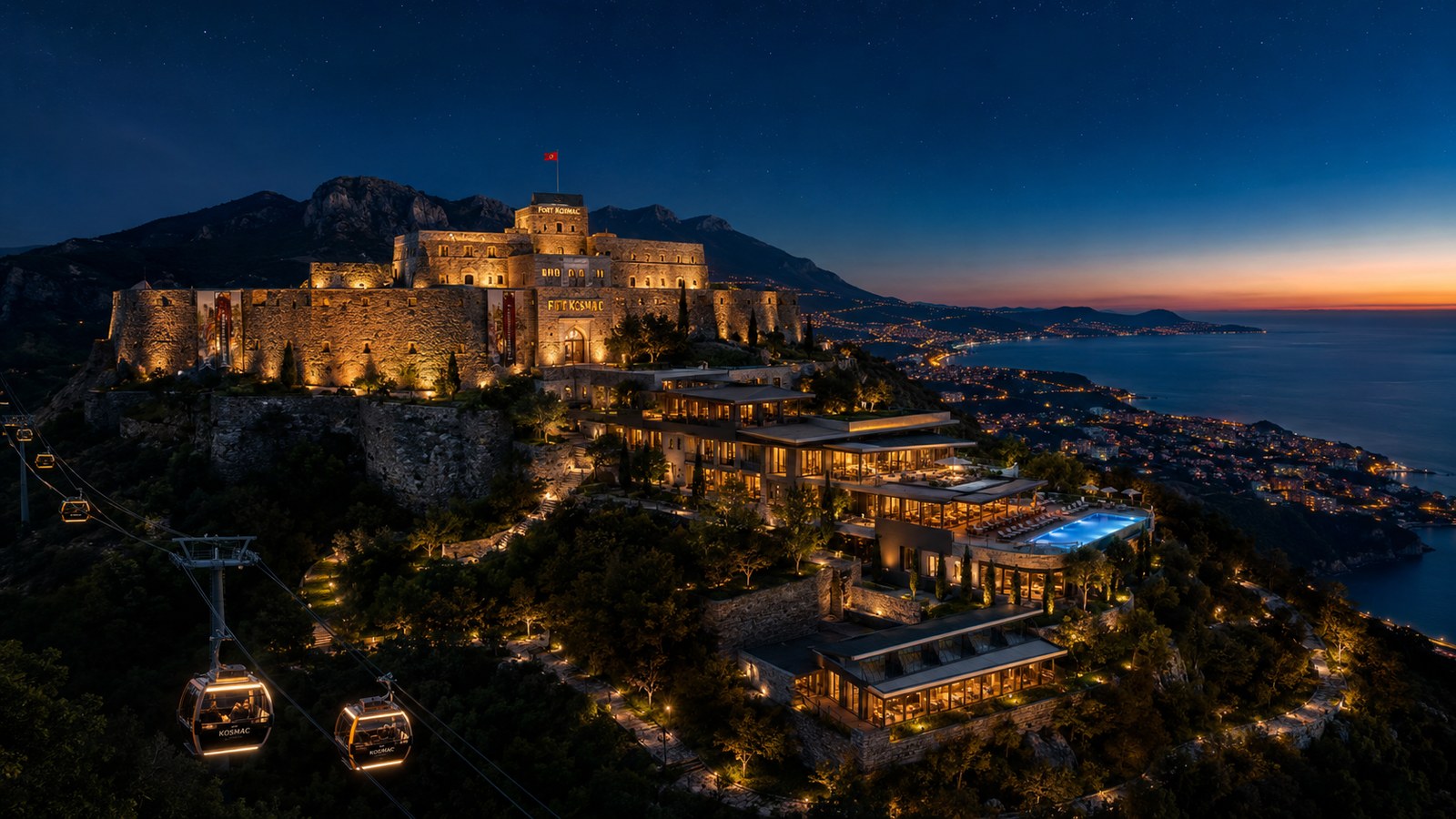 Concept Visualization
Illustrative visualization of the restored fortress silhouette, terraced resort volumes and an optional Budva–Kosmač gondola link, evaluated as a separate concession and feasibility workstream outside the resort's opening critical path.
Belgrade needs a digital twin as decision-making infrastructure, not a representational 3D model. BGDT is proposed as a permanently updated, geospatially grounded digital representation of the city, connecting assets, networks, events and processes with historic and near-real-time data — so city services can safely test a scenario before deciding: a street closure, a new bus line, a construction plan, a downpour, a heatwave, a network fault or a change in maintenance regime.
The program does not begin with buying "one big platform." It begins with a data catalogue, shared identities for urban objects, exchange rules and proof of value through pilot zones — federating existing systems (urban planning GIS, traffic ITS, environmental monitoring, utility SCADA) rather than replacing them. Built on open standards — OGC, ETSI NGSI-LD, BIM/IFC and MIMs Plus — aligned with the EU Local Digital Twins Toolbox and CitiVERSE framework, moving Belgrade from an "awareness" level twin toward a predictive level, with high-impact automated decisions explicitly out of scope absent separate legal and ethical approval.
Priority pilot zone: "Ušće — Center — Sava Amphitheater", spanning parts of New Belgrade, Stari Grad, Savski Venac and the Zemun riverfront — chosen for its concentration of bridges, public transit, major events, tourism flows, active construction, and river/heat risk. The full program document, data-source annex and risk register are shared through the controlled data room following NDA execution.
| Region population (2022 census) | 1,681,405 |
| Municipalities in final coverage | 17 |
| Priority urban twins | 6 |
| Time to full operating capability | 36 months |
| 18-month milestone | Pilot zone, 3D base, ≥20 data flows |
| Indicative CAPEX (Class 4, +15% reserve) | €13.34m |
| Year 1 / Year 2 / Year 3 CAPEX | €3.10m / €5.35m / €4.89m |
| Indicative OPEX post-M36 | €1.55m / year |
Working proposal for the City of Belgrade, Rev A0, July 2026. Figures are indicative, excl. VAT, and are not a committed budget; full investment requires independent cost assessment following data and contract audit. Request Data Room Access →
A program-level implementation package for the Municipality of Nikšić: smart management of space, mobility, energy, water and public services — defining products, architecture, pilot zones, budget, data, security, procurement, acceptance and the operating model.
Public viewer with open, aggregated data for citizens, businesses, schools and researchers runs alongside a segmented operational environment (MFA, RBAC/ABAC, audit, SIEM) for authorized municipal services and public utilities. The full program document and data-source annex are shared through the controlled data room following NDA execution.
| Initial implementation period | 30 months |
| Demonstration zones | 3 |
| Portfolio products | 6 |
| Indicative CAPEX (+15% reserve) | €4.66m |
| Year 1 / Year 2 / M25–M30 CAPEX | €1.65m / €2.10m / €0.91m |
| Indicative OPEX post-M30 | €0.52m / year |
Working proposal for the Municipality of Nikšić, Rev A0, July 2026. Figures are indicative, excl. VAT, and are not a committed budget; investment is conditioned on passing a Gate 1 review of data, rights, risk and benefits. Request Data Room Access →
Fort Kosmač is positioned as a nationally significant heritage-led destination above the Budva Riviera: a restored nineteenth-century fortress combined with a discreet five-star hospitality, wellness, gastronomy, cultural and events program. Heritage stewardship governs all interventions — the restored fortress is the cultural and brand nucleus, with new construction subordinate in scale, placement and visual impact.
The fortress is restored for cultural interpretation, a signature lobby/lounge, selected suites, events and panoramic gastronomy. New hotel volumes of 80–100 keys sit in low-rise, terraced blocks outside the principal heritage fabric, stepped into the terrain to remain visually subordinate to the fortress silhouette. The base resort case is designed to be viable in its own right — without gondola or casino revenue.
An optional discreet VIP gaming component and a separate Budva–Kosmač panoramic gondola concession are under evaluation as distinct workstreams, each subject to its own licensing, feasibility, environmental and financing gates — neither is assumed in the base underwriting case. The full Development Bible, conservation management framework and site investigation package are shared through the controlled data room following NDA execution.
| Location | Tvrđava Kosmač, Brajići, Budva |
| Restored fortress gross area | 2,000–3,000 m² |
| Hotel keys | 80–100 |
| Guestroom / suite GFA | 7,500–11,000 m² |
| Wellness center | 2,000–3,000 m² |
| Food & beverage | 1,800–2,800 m² |
| Events & meetings | 800–1,500 m² |
| Back of house | 25–35% of hospitality GFA |
Preliminary planning allowances, Development Bible Rev A, July 2026. Subject to measured survey, heritage approvals and concept design; the previously circulated indicative range of €65–145m is explicitly not a budget.
Rights, surveys, heritage baseline, concept design and feasibility.
Emergency conservation, access, utilities strategy, temporary visitor interpretation.
Fortress restoration, hotel, wellness, back-of-house, roads, landscape and pre-opening.
Residences or additional keys, extended cultural and events platform.
Gondola concession, only after corridor, demand, EIA and finance approval.
Indicative phasing from the Development Bible, Rev A. Gaming and gondola components are excluded from the resort's opening critical path and underwritten separately. Request Data Room Access →
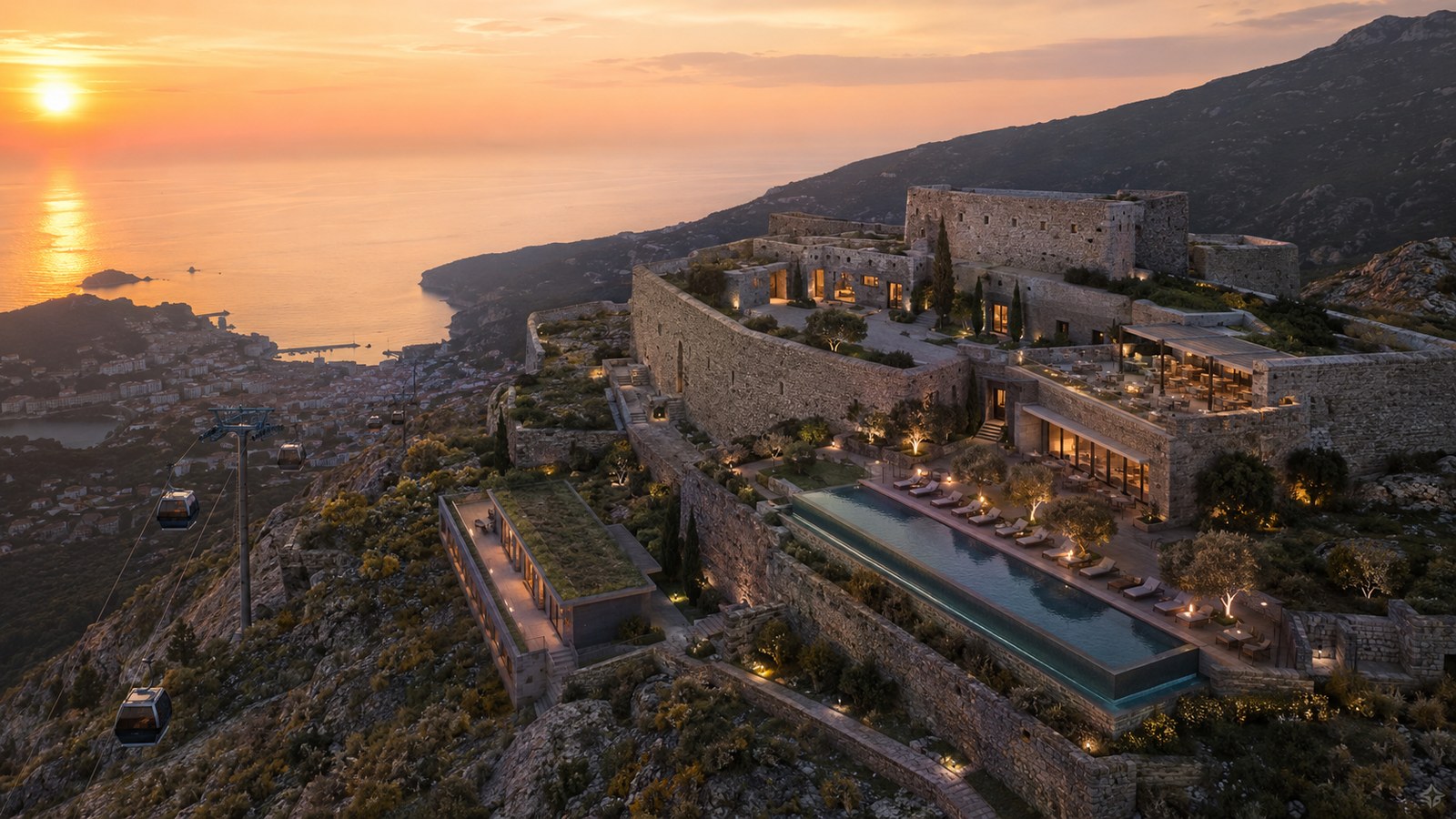
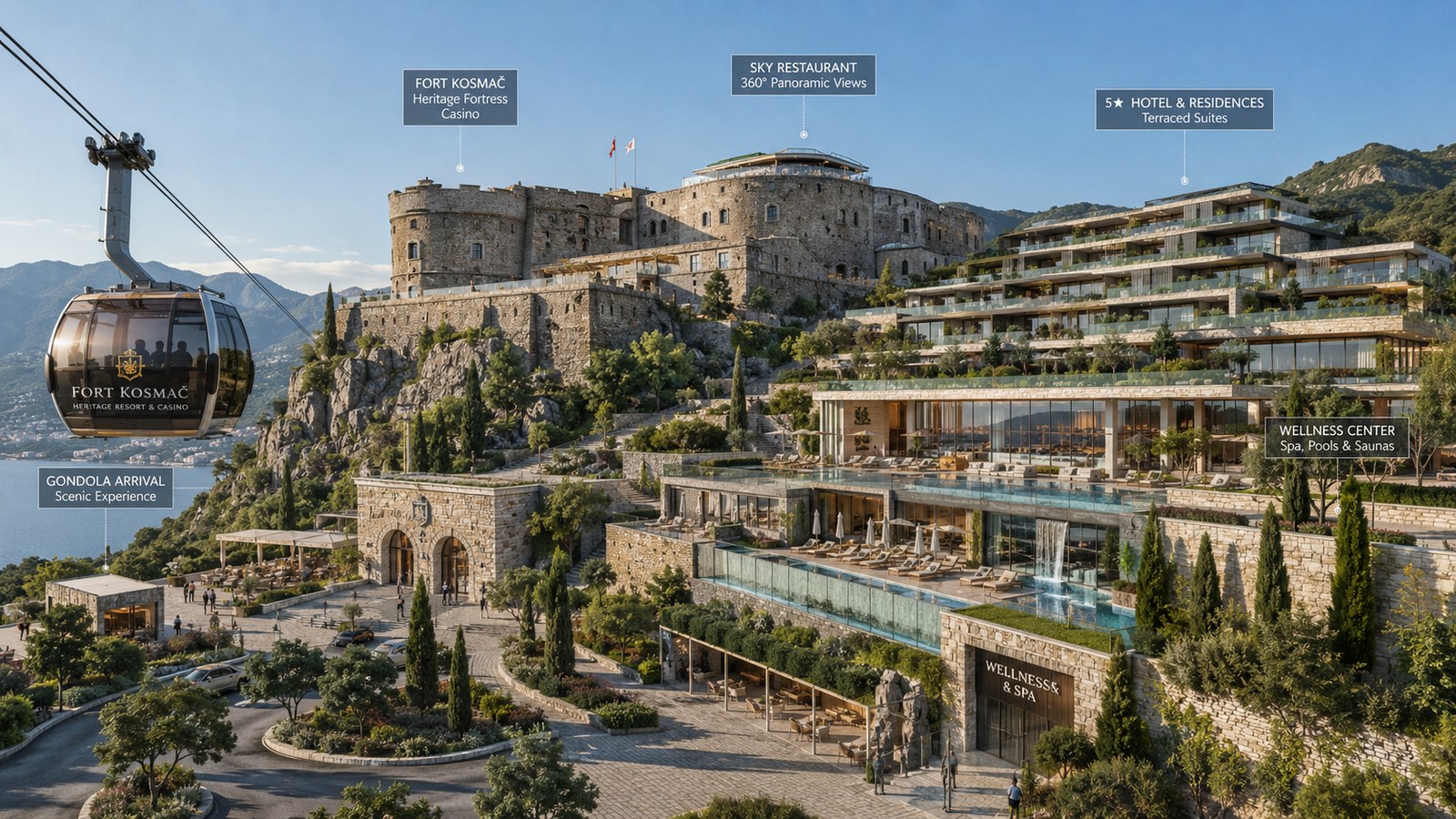
Conceptual visualizations, not an approved architectural design. All areas, capacities, costs and schedules are preliminary unless supported by a named survey, design or approved study.
Enabling the future of orbital manufacturing: autonomous production systems, robotic space infrastructure and AI-driven industrial platforms for the emerging space economy. All items below are early-stage concept product lines, not yet in engineering development.
 Concept Visualization
Modular autonomous production unit for orbital factories, integrating a robotic manipulator, 3D printer, sensor suite, AI controller, camera system and autonomous maintenance.
Intelligent software platform for managing autonomous industrial operations in space — AI production management, Digital Twin, maintenance planning, logistics and quality control.
Next-generation robotic manipulators, six or seven degrees of freedom, for orbital assembly, welding, inspection and servicing.
Small free-flying robotic inspection system for orbital stations and manufacturing facilities — joints, solar panels, modules and radiators.
Real-time digital simulation and monitoring environment for autonomous space production, supporting predictive maintenance and process optimization.
Autonomous transport vehicle for moving materials and components between modules of an orbital factory.
PREMAX Space Systems is positioned as a technology and equipment supplier to the orbital economy — not a launch-vehicle or satellite manufacturer. Long-term ambition: PREMAX Orbital Factory (POF-1), envisioned as a first European private orbital manufacturing platform. More on the Space Systems division →
Detailed technical documentation, CAD models and configuration data are shared only through a controlled data room following partner identification and NDA execution.